4WD & camping first aid • Australian buyer’s guide
The SURVIVAL 4WD First Aid Bundle (Gen 8) combines a large, organised first aid kit with an additional remote-travel module and a choice of protective container. It is aimed at Australians heading onto 4WD tracks, campsites, rural properties and other places where professional medical help may be delayed. The appeal is the breadth of supplies and the ability to keep a substantial kit in your vehicle.
This guide examines the published bundle contents, compares the waterproof box and dry bag, and explains the practical limitations before buying. It is an editorial assessment based on published manufacturer and retailer information, rather than direct product evaluation.
Quick verdict: is it worth considering?
Recommended for: families and groups travelling in a 4WD, campers staying well away from towns, rural property owners and work crews seeking a well-organised foundation for first-aid preparedness. Its modular layout is useful where users may need both a vehicle-based main kit and a smaller add-on for activities away from the car.
What is included in the SURVIVAL 4WD First Aid Bundle?
Both the official SURVIVAL bundle page and Caravan RV Camping listing identify four main components. The storage component is a choice, not two containers included together.
- Large First Aid KIT (Gen 8): the principal colour-coded kit with dressings, bandages, hygiene items, basic utilities and written first-aid information.
- Remote & Outdoor Module: a separate module aimed at activities away from the vehicle; the published contents include two SMART Bandages, hydrogel sachets, a burn dressing, an emergency blanket and a bite-and-burn instruction card.
- One waterproof container: select the rigid waterproof box or the 10-litre waterproof dry bag. Check the actual option on the retailer’s checkout page.
- SURVIVAL bumper sticker: a minor promotional extra, not a first-aid item.
An important correction to the specifications
The manufacturer publishes 142 items, 1.6 kg and dimensions of 27 cm high × 12 cm wide × 21 cm long when closed (79 cm when open). Those exact figures also appear on its individual Workplace First Aid KIT page. They should therefore be treated as specifications for the included Large KIT, not independently confirmed totals for the entire bundle with the extra module and selected container.
The complete bundle’s combined item count, packed travel weight and outer container dimensions are not independently confirmed in the sources reviewed. Ask the supplier if you need exact figures for luggage, drawer systems or weight-sensitive storage. Avoid treating the 142-item figure as the total contents of the whole bundle.
| Model | SURVIVAL 4WD First Aid Bundle (Gen 8) |
|---|---|
| Main component | First Aid KIT – Large / Workplace KIT |
| Large KIT only | 142 listed items; 1.6 kg; 27 × 12 × 21 cm closed; 79 cm open |
| Remote module | 2 SMART Bandages; 10 hydrogel sachets; 60 × 80 cm burn dressing; emergency blanket; torch; whistle; signal mirror; instructions |
| Storage option | Waterproof box OR 10 L dry bag |
| Overall packed weight | Not separately verified for the complete bundle |
| Retailer SKU | 4WD-bundle; dry-bag listing identifies 4WD-DRY-BAG |
The Large KIT list includes one SMART Bandage and the separate remote module lists two. These are component-level claims from the manufacturer; verify current contents if a particular bandage quantity is essential to your purchasing decision.

PRODUCT LISTING • CARAVAN RV CAMPING
SURVIVAL 4WD Bundle — storage options
The retailer’s dry-bag listing displayed Sold Out at the time of this review (29 October 2026). Availability and options may change. Confirm the correct variant, current price, shipping and warranty details on the merchant website before ordering.
Waterproof box or dry bag: which should you choose?
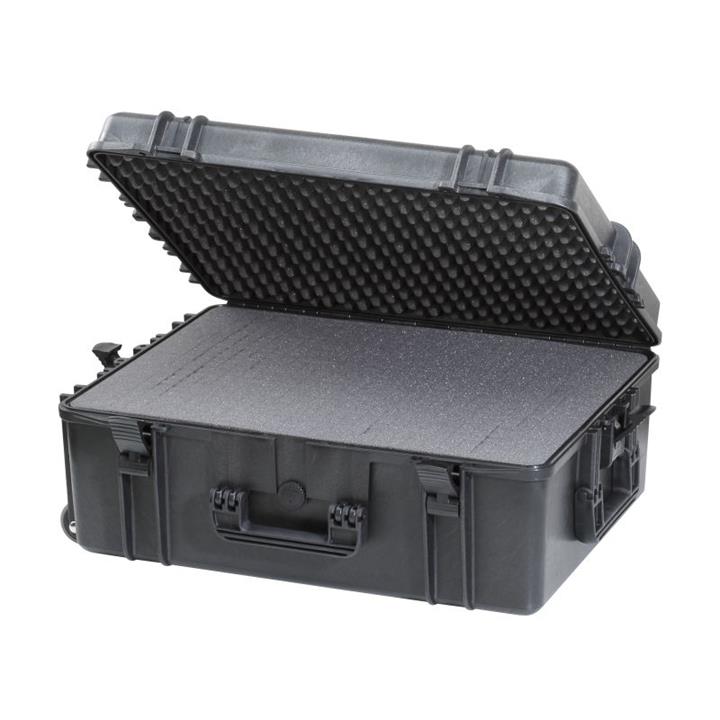
Rigid waterproof box — better for a permanent 4WD setup
A hard container may be the more practical choice if the kit stays in a vehicle drawer, canopy or dedicated equipment compartment. Rigid walls offer a physical barrier against nearby tools, recovery gear and other luggage. They may also make it easier to establish a consistent storage location that everyone knows.
Before choosing the box, measure the space in your vehicle and confirm the box’s actual outside dimensions. Also check that it opens easily without unloading several other items. A box that is well protected but difficult to reach is a poor emergency arrangement.
10-litre waterproof dry bag — better when packing flexibility matters
The manufacturer describes the red dry bag as a 10-litre product made from 500D PVC mesh. It may suit travellers who need a more flexible storage shape or want to transfer supplies between a vehicle and camping equipment. Roll-top closures must be used correctly and inspected for damage or trapped dirt.
A soft bag does not offer the same impact protection as a rigid box. Do not assume either option has a specific IP rating or is suitable for prolonged submersion: no independently confirmed rating is provided here. Keep the actual First Aid KIT accessible inside the selected container.
Our pick: choose the box for a dedicated vehicle storage position; consider the dry bag where flexible packing is the priority. Confirm fit, availability and total loaded weight before purchase.
What can the first-aid components help you prepare for?
Everyday cuts, scrapes and minor incidents
The Large KIT lists several sizes of adhesive and non-adherent dressings, conforming bandages, eye pads, gauze and hygiene items. This makes it a broader starting point than the very small kits often carried in a glovebox. Colour-coded compartments and numbered stock labels may make items easier to locate and replace, especially where different family members use the same kit.
Remote-track risks, bites and burns
A SMART Bandage includes visual markings intended to help with consistent pressure during appropriate bandaging. The markings do not determine whether pressure-immobilisation is suitable for a specific bite, and using the wrong technique may be harmful. Learn the current first-aid guidance rather than relying on equipment markings alone.
Restocking and what the labels actually do
The manufacturer describes numbered labels and a QR-based restocking route for the main kit. They can help you see what should be present and locate replacement products. They do not automatically record expiry dates, check packaging seals or replace a physical inspection. Keep a simple inventory sheet, note the earliest expiry date and record when the kit was last checked.
Essential Australian first-aid safety points
Healthdirect advises treating a suspected snake bite as a medical emergency. Do not wash the bite, use a tourniquet, cut the wound, attempt to suck out venom or try to capture the snake. Minimise movement and follow emergency operator instructions. The presence of several bandages is not a reason to delay calling an ambulance.
St John Australia distinguishes spider bite types: pressure bandaging and immobilisation are advised for suspected funnel-web or mouse spider bites, whereas redback and many other spider bites have different first-aid guidance. Do not automatically apply a pressure-immobilisation bandage to every spider bite. Seek medical advice for concerning symptoms and call 000 in a life-threatening emergency.
For thermal burns, ANZCOR’s current guidance prioritises cool running water for at least 20 minutes as soon as practicable, while keeping the rest of the person warm. Hydrogel and burn dressings are not substitutes for the recommended cooling when clean cool water is available. Serious burns require medical assessment.
For any emergency, protect yourself first, assess the scene, arrange professional help and use skills within your training. This article is a product guide, not treatment instructions or a substitute for recognised first-aid and CPR training.
How to store a first-aid kit safely in your 4WD
A well-stocked kit is of limited use if nobody can find or reach it. Pick a location that is easy to explain to a passenger, accessible when the vehicle is parked, and protected from water, dirt and crushing loads. Do not position it where it can become a loose projectile in a collision or where it blocks airbags, seat movement or emergency exits.
- Secure it: use a vehicle-appropriate restraint or compartment. Do not assume the Large KIT’s MOLLE-compatible details mean that the entire box is vehicle crash-rated.
- Keep it findable: tell adult passengers and travelling companions where it is; use a simple, visible first-aid label.
- Manage temperature: avoid placing it next to heat-producing equipment, hot exhaust components or direct sun where possible. Follow the storage conditions for individual supplies.
- Check access: make sure you can open the box or bag without unloading recovery boards, a fridge or heavy tools.
- Plan for off-vehicle activities: the remote module may help with day walks, but choose what to carry based on trip length, risks, training and the ability to call for help.
For a long rural journey, also leave your route and return plans with a trusted person. Plan for phone black spots. The Australian Government suggests considering a personal locator beacon, UHF radio or satellite phone for remote travel; see its traveller communications advice. First-aid supplies and an emergency contact plan should be considered together.
A practical pre-trip first-aid checklist
- Inventory: compare the contents against the supplied list; replace anything used, missing, damaged or contaminated.
- Expiry dates: check sterile dressings and any other date-marked consumables; make a reminder to check again.
- Condition: examine the bag, closures, box seals, labels, torch and any batteries; ensure everything is dry and intact.
- Personal needs: carry essential prescribed medication separately and appropriately, with a plan for storage and access.
- Communication: confirm your way of contacting emergency services where mobile coverage may be absent.
- Knowledge: refresh recognised first-aid training, particularly bites, bleeding, CPR and burns, before a remote trip.
- Group briefing: show companions where the kit is and identify people with first-aid training. Agree on who should contact emergency services.
It is worth placing a brief emergency contact sheet with the equipment, but avoid leaving sensitive personal medical information visible to strangers. Keep replacement consumables in their intended packaging and follow product instructions.
Can it serve as a workplace first-aid kit?
The bundle contains a product called the Workplace First Aid KIT, but that name alone does not establish compliance with every Australian work health and safety obligation. Appropriate equipment, facilities and trained first aiders depend on the workplace’s hazards, number of people, location, access to assistance and the applicable state or territory rules.
Safe Work Australia recommends a workplace first-aid risk assessment and regular checking of kits. Remote or isolated work may require additional arrangements and training. Employers should assess their own duties rather than assume a retail bundle meets every requirement. The same applies to contractors operating from several vehicles or work sites.
Main limitations to weigh up before buying
- Source-based assessment: Firebusters has not physically assessed the durability, stitching, zips, seals or handling of the complete bundle.
- Packing space: the included Large KIT is not a pocket-size item, and the full bundle may require a dedicated vehicle position.
- Published specs ambiguity: the 142-item and 1.6 kg figures match the Large KIT; whole-bundle totals remain unconfirmed.
- Container selection: only one waterproof storage option is supplied with an order, and the merchant listing should be checked for current availability.
- Ongoing work: first-aid consumables need periodic checking, appropriate storage and replacement.
- Cost and suitability: a comprehensive package may be unnecessary for short local trips, and a smaller kit may be easier to keep with you.
The retailer has displayed a three-year warranty period on its listing, subject to the published warranty terms. Verify what the warranty actually covers, whether it applies to the chosen option, and the current returns arrangements. A product warranty does not tell you how long the dressings or other consumables remain within their expiry dates.
Should you buy this bundle or choose a different kit?
Choose a compact kit if you mostly drive around town, ride a motorcycle with limited luggage space or carry first aid on foot. A smaller kit that you actually carry and maintain may be more useful than a larger one left behind.
For another outdoors-oriented product perspective, see our Hulk 4X4 Adventurer First Aid Kit guide. Check the current contents of either product before treating them as directly comparable.
Frequently asked questions
Does the SURVIVAL 4WD bundle include both containers?
No. Published descriptions specify one selected option: the waterproof box or the waterproof dry bag. Confirm which option appears in your order.
Does the whole bundle weigh 1.6 kg?
Not confirmed. The same 1.6 kg figure is published for the included Large KIT, so the actual total packed bundle weight should be checked with the manufacturer or supplier.
Can SMART Bandages treat every spider bite?
No. First-aid treatment varies by the type of bite. Consult St John’s advice for spider bites and seek emergency help for suspected funnel-web or mouse spider bites.
Can I refill the kit when supplies expire?
The supplier describes restocking support and numbered labels. Check current replacement supplies; manually check expiry dates and inspect items after use.
Final recommendation
Our preferred configuration is the waterproof box for dedicated 4WD storage, provided it fits the vehicle and remains easy to reach. The dry bag is the more flexible alternative if it better matches your packing. Check price, stock, shipping, full packed dimensions and any workplace requirements before buying. Do not rely on the published Large KIT weight as the whole bundle weight.
Check the current SURVIVAL 4WD Bundle listing
See the retailer for live stock information, the dry-bag or box options, warranty terms and the latest price. Stock status and available variants may change.
Sources and editorial verification
Information reviewed: 29 October 2026. Product information can change, especially stock status, included accessories and retailer terms. This is a source-based editorial guide; no independent product performance verification has been undertaken by Firebusters.
- Manufacturer bundle and component details: SURVIVAL 4WD First Aid Bundle (Gen 8) and SURVIVAL Workplace First Aid KIT
- Retailer availability and warranty: Caravan RV Camping – SURVIVAL 4WD Bundle
- Snake bites: Healthdirect – Snake bites
- Spider bites: St John Australia – Spider bites
- Burns: ANZCOR – First aid for burns
- Workplace first aid: Safe Work Australia – First aid
- Remote-trip communication: Australian Government – Emergency communications for travellers
Affiliate disclosure: Some product links in this guide are affiliate links. Firebusters may earn a commission from eligible purchases at no extra cost to the buyer.
About the author and safety review
Ken Walker
Former Station Officer and fire service educator
Fire and emergency service educator with 40 years of career and volunteer experience.
Qualifications: Associate Diploma of Applied Science in Fire Technology; Institute of Fire Engineers studies.
Last safety review:
Author profileGeneral information only. Follow official warnings, local procedures and manufacturer instructions.