UNIMAC 30KW Portable Industrial Diesel Direct Forced Air Space Heater
For anyone managing a barn, garage, warehouse, or job site through winter, staying warm isn’t just about comfort — it’s about getting things done safely and efficiently. The UNIMAC 30KW Portable Industrial Diesel Direct Forced Air Space Heater offers a solution built for larger, challenging environments where basic heaters just won’t make a dent. If power bills and electric safety are concerns, diesel-based direct fired heaters like this unit can provide robust performance at a reasonable running cost.

Why This Heater is Useful
Large, open spaces tend to lose heat rapidly and are difficult to warm with small or domestic units. Diesel forced air heaters like this UNIMAC are designed for immediate, high-output warmth — ideal for keeping crew productive or safeguarding equipment from frost. Because they’re portable, you can shift this unit between work areas as your needs change, making it a versatile asset for anyone with evolving space or mobility requirements. Portable heaters also help avoid permanent installation costs or complex setup, which is a big plus for budget-conscious buyers.
Who Should Consider This Heater?
- Builders, tradies, and contractors working on sites without permanent HVAC.
- Workshop and warehouse owners wanting a flexible heating option.
- Rural property managers dealing with cold machinery sheds or storage spaces.
- Event operators with large temporary marquees (with proper ventilation).
- Anyone needing strong short-term heat in a ventilated, commercial-scale indoor setting.
Caution: This heater isn’t intended for domestic rooms, small offices or enclosed residential spaces due to exhaust gas emission. Always consider legal and insurance requirements for workplace heaters in your state or territory.
What To Check Before You Buy
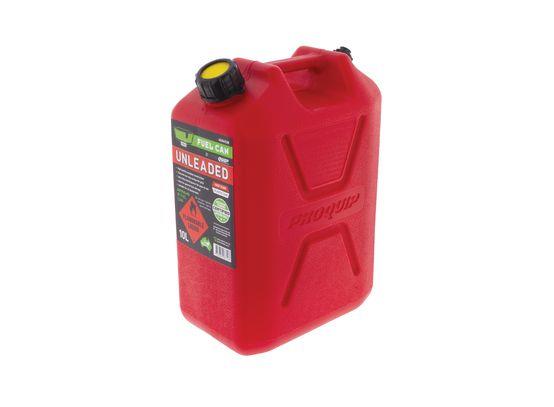
- Fuel Access: You’ll need a reliable supply of clean diesel. Consider your ongoing fuel costs and safe storage.
- Electrical Needs: Some forced air models require electricity for their fan or ignition — check if you have suitable outlets nearby.
- Ventilation: A direct fired unit releases combustion byproducts into the air. Ensure plenty of airflow. Never use in confined, poorly ventilated spaces.
- Appropriate Size: The 30KW output is suited to bigger open areas. For smaller spaces, a lower-capacity unit may be more practical and economical.
- Fire Risk: Your operating area should be well away from flammable materials and have fire safety equipment at hand.
- Noise: These heaters generate a noticeable sound — factor this in if hearing protection or quiet work is required.
Setup and First-Use Checklist
- Read the user manual from start to finish. Familiarise yourself with control locations, fuel recommendations, and emergency procedures.
- Position the heater on a level, hard, and non-combustible surface (like concrete), away from exits and main walkways.
- Check that the area is properly ventilated. Open doors, windows, or use extraction fans as needed. Never seal the space completely during use.
- Inspect the heater for any shipping damage, leaks, or missing parts.
- Add diesel fuel, avoiding overfilling. Wipe up any spills straight away and keep fuel containers well away from the heat source.
- Connect to electrical power if the model requires it—use an appropriate, safe power lead.
- Ensure an unobstructed clearance of at least one metre around all sides, especially the hot air outlet.
- Start the heater as directed and let it run briefly to make sure everything operates smoothly.
- Monitor it during its first use for any unusual noise, smoke, or odours. Check the air temperature at various distances to judge coverage.
Safety Notes
- Carbon Monoxide: Always use in spaces with good airflow. Diesel heaters create exhaust gases. Installing a carbon monoxide detector is highly recommended.
- Don’t leave the heater running unattended. Always shut down before leaving the area.
- Keep children, pets, and unauthorised personnel clear of the heater and all associated cables and tanks.
- Never move or refuel the heater while it is hot or running. Allow to cool before handling.
- Store extra fuel outside work areas in approved, sealed containers.
- Turn off and unplug if you detect strong odours, fuel leaks, or any mechanical faults, and have the unit inspected before reuse.
Maintenance Tips
- Inspect fuel lines, fittings, and tank regularly for leaks, cracks, or signs of deterioration.
- Check and clean air intakes and filters every few uses (more often in dusty environments).
- Test electrical switches, wires and safety cutoffs before each winter season.
- Have a qualified service agent clean the burner assembly as recommended.
- If storing the heater for months, drain leftover fuel and run the heater dry to avoid deposits and starting issues next season.
- Keep the surface of the heater clean from dust, oil, or fuel residue, reducing fire risk and ensuring efficient operation.
- Schedule annual maintenance for prolonged, commercial use.
Common Mistakes to Avoid
- Blocking air inlets/outlets with equipment, furniture, or covers, making the heater ineffective and risking overheating.
- Refuelling while the unit is running, leading to serious fire risk.
- Operating in small, closed rooms or without proper airflow, risking carbon monoxide poisoning.
- Using fuels other than what the manufacturer recommends—don’t substitute kerosene, petrol, or biodiesel unless specifically advised.
- Ignoring regular inspection and cleaning, which can lead to breakdowns or hazardous build-up.
- Not checking for exhaust recirculation in semi-enclosed spaces, which can cause uncomfortable or unsafe conditions for workers.
Frequently Asked Questions
- Can this heater be used in homes or offices?
- No, it is designed for large, ventilated industrial or commercial spaces. Exhaust output makes it unsafe for homes, small rooms, or unventilated areas.
- How portable is it?
- The unit is built to be moved, but keep in mind the weight when full of fuel and use the carry handles or wheels if supplied. Always empty fuel before lifting for longer moves.
- Does it need electricity to run?
- Most forced air diesel heaters require mains power for the blower fan and ignition system. Check your intended setup has a safe power source nearby.
- What type of fuel does it use?
- Standard clean diesel. Never use petrol or mix with other fuels unless specified in the user manual.
- How often should I maintain the heater?
- Check and clean filters at least monthly in peak season. Service as directed in the manual. More frequent maintenance may be needed in dusty, dirty, or heavy-use environments.
- Can I use an extension cord?
- Only use heavy-duty, outdoor-rated extension cords capable of supporting the unit’s draw. Avoid running cords across wet surfaces or where they could be damaged by vehicles or foot traffic.
Conclusion
The UNIMAC 30KW Portable Industrial Diesel Direct Forced Air Space Heater is a practical, no-nonsense solution for commercial and rural Australians dealing with serious winter cold. Always prioritise safety, match the heater’s output to your space, and keep up with maintenance for reliable, long-term service. For those facing cold conditions head-on, it’s a dependable way to protect productivity and equipment through the season.