Few things dent your day quite like seeing a new crease in your car panels. If you’re a hands-on type or working in auto body repair, the right tools make all the difference between frustration and a proper fix. The VEVOR Stud Welder Kit, 1600A, aims to simplify metal dent repairs with robust welding power and all-in-one convenience. ⚙️
This kit isn’t out to dazzle—just to help you get damaged panels back in shape efficiently, with reliable hardware and what you need right out of the box.
Quick take: Where the VEVOR Stud Welder Kit Fits In
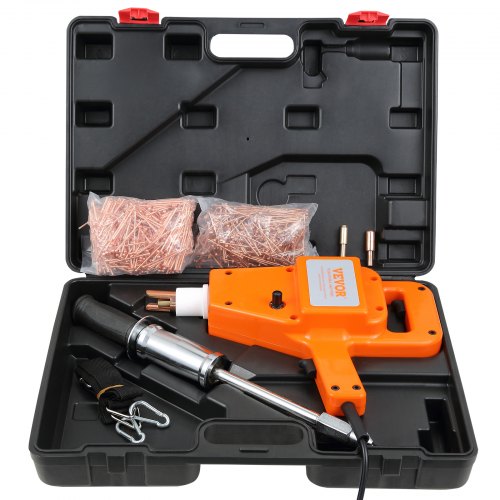
The VEVOR Stud Welder Kit, 1600A, is designed for pulling dents from auto body panels using spot-welding technology. It provides a strong 800VA output and plugs into a 220V supply, making it suitable for home garages and small workshops alike. Its greatest strength is in giving you a full set of accessories and a single, purpose-built welder that’s ready to tackle moderate dents and creases. That said, know that this kit is made for sheet metal repair, not structural welding or thick steel work.
Who Should Consider (or Avoid) This Kit? 🔥
If you find yourself dealing with regular panel dents, whether you’re a DIY enthusiast restoring classics or a professional tackling insurance jobs, kits like the VEVOR 1600A make short work of panel pulling. Those with 220V access and a steady workspace will appreciate its all-in-one nature and clear application. On the other hand, if your electrical setup doesn’t support 220V, or you only ever handle tiny cosmetic blemishes, this kit is probably more than you need. It’s also not for anyone seeking a spot welder for thick frame components—it’s strictly for panel and similar light-gauge sheet repairs.
Smart Things to Check Before Buying 🛡️
- Does your workshop or garage have a stable 220V outlet and proper circuit capacity for high-current devices?
- Are all accessories actually included in the kit you’re buying (welding studs, pulling rings, user manual, etc.)?
- Is the welder’s physical size and weight reasonable for your storage and work habits?
- What is the available after-sales support from the retailer or supplier, should you need technical help or replacement parts?
It’s wise to check that the accessories match your intended use; kits sometimes differ by region or batch. Also, if you’re new to spot welding, consider if the kit provides clear instructions or links to reputable training guides.
First Use: Safe, Steady Setup
It pays to start methodically with any spot welder. Ensure you’re working in a well-ventilated, clean area away from flammable materials. Before plugging in, check all leads, clamps, and accessories for damage. If you’re unfamiliar, review any included guides or look for basic video tutorials on stud dent pulling—they’re widely available and useful.
Key steps for your first use:
- Secure your panel either on-vehicle or mounted for safety.
- Clean surface rust and paint from both the dent area and the grounding point—clean contact is vital for even welds.
- Attach the welder’s ground clamp securely.
- Select the correct stud or pulling ring for your dent size, load it into the gun, and follow provided timing guidelines for welding (overheating studs risks burn-through).
Always wear appropriate safety gear—welding gloves, glasses, and sturdy clothing—to keep yourself protected from sparks and hot metal.
Skillful Use Makes a Difference ✅
Panel dent repair is as much about patience as it is power. Start with the lowest current setting that reliably attaches the stud—this minimises potential warping and damage. Use a gentle, rolling action when pulling so you don’t overstress the panel or the weld. For best results, pull in small increments, rechecking the panel contour often rather than trying for a single big move.
If included, refer to any user manual for hints on stud placement or removal sequence. Take your time. Persistence usually beats force when it comes to metalwork.
Keeping Your Kit Reliable: Maintenance and Long-Term Care
Any spot welder kit will last longer with regular upkeep. After every use, let the machine cool down fully. Store accessories in a dry, dust-free spot. Clean the gun tip and check all electrical connections for residue or looseness—build-up can cause miss-welds or erratic operation later. Wipe down the cables and inspect for cracking or exposed wires annually, replacing them if needed.
- Keep the ventilation ports clear of dust and debris for optimal cooling.
- Lubricate moving components sparingly if the manual allows (never on electrical contact areas).
- Store the kit away from moisture—rust is the enemy of stable contact.
Common Pitfalls: What to Avoid
Even experienced users fall into familiar traps:
- Attempting repairs on thick sections—this kit is tailored to sheet metal panels, not heavy-gauge steel.
- Overwelding studs and burning holes through the metal, especially on older or thinner panels.
- Not cleaning the grounding or weld areas, causing weak bonds and wasted time.
- Storing the kit in damp, dirty locations—electrical tools hate moisture and grit.
Take care with your work area setup, double-check your prep steps, and resist the urge to rush through repairs.
Mini FAQ: Fast Answers for Common Questions 🔧
If your home or shop has a 220V circuit, yes. If not, you’ll need proper electrical upgrades.
No. This is strictly for sheet panels, not chassis or thick steel structures.
Check everything on arrival and contact your seller immediately. Document missing items for speedy resolution.
Look for reputable online guides and get familiar with basic spot welding safety and technique before your first job.
Keep everything dry, clean, and regularly inspected—reliability depends on it.
Wrap-up: The Practical Choice for Efficient Dent RepairVEVOR Stud Welder Kit, 1600A Stud Welder Dent Repair Kit, 800VA Spot Welder Stud, 220V Stud Gun Dent Puller Kit with Complete Accessories, Dent Welder Repair for Auto Body RepairingSee today’s price and availability.
If you need a purposeful, reliable kit for pulling dents and getting body panels looking right again, the VEVOR Stud Welder Kit, 1600A, earns its keep for those prepared with the right electrical setup. It’s not for everyone—especially if you lack 220V or only dabble with minor dings—but for DIYers and professionals sorting out buckled panels, it’s a solid investment in time saved and results gained. Consider which accessories you’ll actually use and set up safe, systematic repair habits, and you’ll get the most from this straightforward, heavy-duty tool.
About the author and safety review
Ken Walker
Former Station Officer and fire service educator
Fire and emergency service educator with 40 years of career and volunteer experience.
Qualifications: Associate Diploma of Applied Science in Fire Technology; Institute of Fire Engineers studies.
Author profileGeneral information only. Follow official warnings, local procedures and manufacturer instructions.