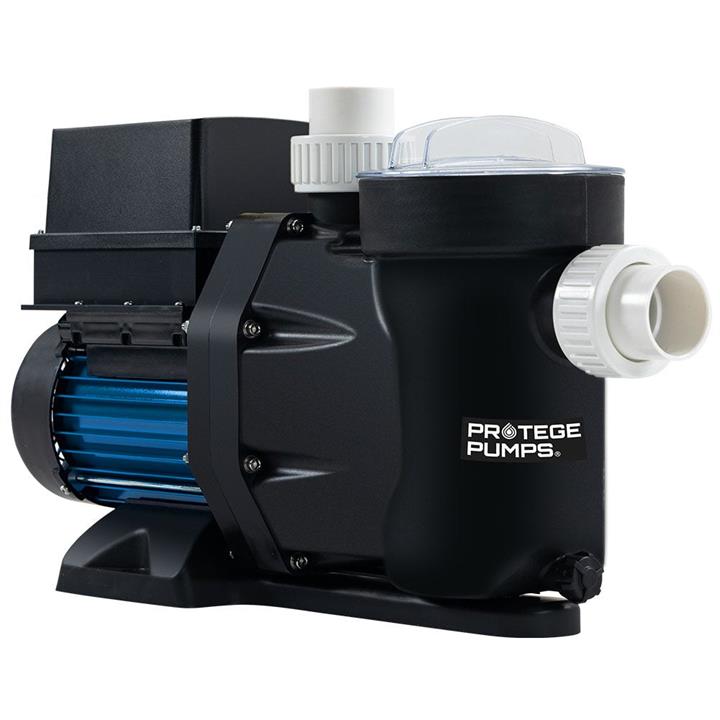
1500W Swimming Pool Spa Water Pump Electric Self Priming Filter 33,600L/H – Practical Pool Care
Every pool or spa owner knows how vital it is to keep water clear, healthy, and circulating. The 1500W Swimming Pool Spa Water Pump Electric Self Priming Filter 33,600L/H brings straightforward reliability to this essential job. With a robust motor and high flow rate, it’s an option worth considering for many backyard or small commercial pools and spas across Australia.
Below, you’ll find sound, honest advice to help you assess if this pump is the right fit for your space, alongside set-up tips, maintenance pointers, and practical safety notes. We’re all about keeping things simple, budget-friendly, and—most importantly—safe for Australian homes.

Why Is This Pool Pump Useful?
This pump handles water circulation, which sits right at the heart of pool and spa care. High turnover rates, like the 33,600 litres per hour on offer here, help drive water through your filtration setup. The benefits are wide-ranging:
- Sparkling water: Filtering out dirt, hair, insects, and larger debris keeps everything nice and clear.
- Healthier swimming: Circulation helps stop algae and bacteria building up, reducing the risk of cloudy or unsafe water.
- Efficient chemical use: Well-circulated water lets pool chemicals work evenly, often letting you use less—good for budgets and the environment.
- Simple operation: Self-priming design means easier starts (less fiddling around compared to non-priming units).
Who Should Consider This Pump?
- Homeowners with medium to large backyard swimming pools looking for adequate turnover.
- Spa or hot tub owners seeking reliable water movement and easy filtration.
- Anyone whose old pump is noisy, underpowered, or prone to breakdowns.
- DIY-maintainers preferring solutions that don’t require frequent professional help.
- Households wanting to keep pool running costs down with solid, no-nonsense equipment.
What Should You Check Before You Buy?
Pool and spa pumps aren’t universal—measuring up before buying will help you avoid disappointment and extra costs. Here are key points to check:
- Pool or spa size and volume: A 33,600L/H flow rate suits most medium/large domestic pools, but always verify your water volume first.
- Connection sizes: Confirm the diameter and style of your pool’s pipework (e.g. 40mm or 50mm fittings). Check if you’ll need adapters or extra couplings.
- Electrical compatibility: Make sure your mains supply matches the pump’s voltage and plug type. If in doubt, ask a local electrician.
- Space and site access: You’ll need a dry, fairly flat spot close to the pool, sheltered where possible from direct weather, and with easy access for servicing.
- Filter compatibility: The unit is described as having a self-priming filter – check manufacturer guidance or ask your supplier if it matches your pool’s filtration system (e.g. sand or cartridge filter setups).
Setup & First-Use Checklist
- Carefully read the manufacturer’s manual before unboxing—look for any warnings or unique instructions.
- Plan the cable run. Use only rated outdoor power cords and avoid trip hazards.
- Turn all power off (at the main switch) before touching plugs or wiring. Don’t skip this.
- Position the pump on a level, non-slip surface, ideally off bare ground. A concrete pad or sturdy pavers work well.
- Confirm connections. Fit inlet and outlet pipes snugly, using thread tape and proper clamps if needed.
- Prime the pump: As a self-priming unit, it’s more forgiving, but filling the pump housing with water as per the instructions can help prevent dry starts.
- Double check that the filter basket and lids are sealed properly to avoid air leaks.
- Turn the power on and inspect for any leaks, odd noises, or vibrations.
- Monitor for at least 10 minutes on first run—check water is flowing well and the pump isn’t drawing in air (bubbles in the return stream can be a clue).
Essential Safety Notes
- Don’t run the pump dry: Running a water pump without water can destroy the motor quickly.
- Check power cords for damage: If you see splits or exposed wires, stop and replace before use.
- Always handle electrical connections with dry hands and ensure they are well away from splash zones.
- If using an extension cord, choose a heavy-duty, outdoor-rated type. Keep joins off the ground.
- Consider getting a qualified electrician to install a residual current device (RCD)—this adds vital protection against electric shock.
- If the pump is close to a garden or kids’ play area, install barriers or covers to help prevent accidental tampering.
Maintenance Tips
- Inspect and clean the filter basket/strainer weekly, especially during heavy use or leaf drop.
- Check all visible seals and joints for leaks—tighten or replace O-rings as needed.
- Every month, unplug and check for signs of wear (cracked housings, loose screws, unusual smells).
- Flush the pump system at the start and end of each swimming season.
- Don’t let the pump sit full of water over winter if freezing is possible—drain and store it somewhere dry.
Common Mistakes to Avoid
- Not matching the pump’s flow rate to pool size—too powerful can cause filter damage, too weak and water isn’t clean enough.
- Over-tightening fittings—which can crack plastic threads or O-rings and cause leaks.
- Leaving debris in the filter basket, which stresses the motor and exposes seals to damage.
- Letting the pump run without water (even a few minutes is risky for motor health).
- Failing to check for leaks after storms or if bumped by pets/kids.
Frequently Asked Questions
- Q: Can I use this pump with a saltwater pool?
A: It depends on the specific materials used in the pump and filter. Always check with the retailer or product manual for confirmation. - Q: Is the pump loud?
A: Noise level isn’t specified in the description. For sensitive environments, ask the retailer for a decibel rating or customer opinions. - Q: What plumbing fittings will I need?
A: Check your existing pipe diameter and the pump’s inlet/outlet size. You may need adapters, which are often available from a pool supply store. - Q: Is installation DIY-friendly?
A: Many handy owners can install this with care, but if you are unsure about electricals or pool plumbing, get professional help for safety. - Q: How long will this pump last?
A: Lifespan varies with use and care. Regular maintenance extends pump life—check the warranty and always service as recommended. - Q: Does the package include hoses or connectors?
A: The product listing doesn’t state what fittings are included. Always verify contents with the supplier before purchasing.
Conclusion
For many pool or spa owners, a 1500W Swimming Pool Spa Water Pump Electric Self Priming Filter 33,600L/H brings a good mix of performance, reliability, and simplicity. By considering your specific needs up-front and committing to a bit of regular upkeep, you’ll help keep swimming safe and enjoyable for years to come—all while respecting your budget and priorities. When in doubt, talk to your local pool shop or electrician for tailored guidance, and always put safety first.
About the author and safety review
Ken Walker
Former Station Officer and fire service educator
Fire and emergency service educator with 40 years of career and volunteer experience.
Qualifications: Associate Diploma of Applied Science in Fire Technology; Institute of Fire Engineers studies.
Author profileGeneral information only. Follow official warnings, local procedures and manufacturer instructions.