Precision counts when you’re putting holes in metal. It’s easy to waste time with bland tools—or worse, create a mess you’ll need to fix. The VEVOR 15 Ton Hydraulic Knockout Punch Kit steps up as a hard-working choice for anyone needing clean, accurate holes in challenging materials. Here’s how to know if it’s your next workshop essential.
The VEVOR kit offers a wide conduit size range and hydraulic muscle, tackling jobs that would be awkward or risky with less purpose-built gear. For tradies, site managers, or anyone working with panels and enclosures—especially in tougher materials like stainless or aluminium—it makes a compelling case.
Quick Take: Versatile Muscle for Sheet Materials
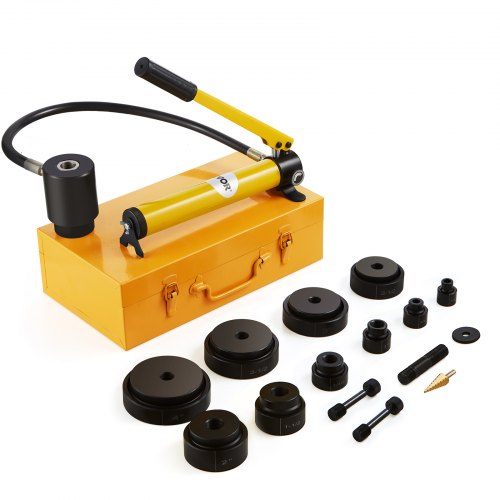
This punch kit includes a hydraulic puncher capable of up to 15 tonnes of force, matched with cutters from 1/2″ to 4″—all in a 10-piece set. Its main strength is fast, smooth punching across a range of materials: aluminium, brass, stainless steel, fibreglass, and plastics. With multiple sizes, you’re equipped to create or enlarge conduit holes in most common panels in electrical, HVAC, and fabrication work.
Main trade-off? Like most hydraulic punch kits, it’s a commitment in weight and size. For smaller or one-off jobs, it may be more tool than you need. But for repeat work in stubborn materials, manual punches will struggle to keep up—and may leave untidy results or twisted panels.
Who Will Benefit Most (And Who Should Skip It)
✅ For: Electricians, metalworkers, and installers who regularly handle switchboard enclosures, control panels, or cable trays. Ideal if you want a quick, consistent result through steel, stainless, or composite panels without excessive hand effort.
🤔 Maybe not for: Hobbyists or anyone needing ultra-light kits for rare tasks. If you mostly work in thin plastics or do occasional home odd-jobs, a manual punch or step drill might serve you better and save on upfront cost and storage.
What to Check Before You Buy
🛡️ Go over these basics before committing:
- Material compatibility: The description lists support for a wide range—aluminium, brass, stainless, fibreglass, and plastics—which covers most use cases. If your work involves exotic alloys or non-standard panels, check the manufacturer’s materials guide and talk to an expert before cutting.
- Conduit and panel thickness: The provided information does not specify maximum panel thickness. Confirm with the supplier what is practical for your needs (e.g., standard switchboard or enclosure gauges).
- Punch sizes included: This kit goes from 1/2″ to 4″. Make sure those match your requirements. Some electrical codes or on-site designs call for custom hole diameters—double-check your plans.
- Workspace: Hydraulic punch kits require a flat, stable surface. Think about access to the work area, especially if you’re punching close to edges or in awkward spaces.
Setup & Safe First Use
⚙️ Set yourself up for a smooth start:
- Read the instructions carefully—each knockout punch set varies. Confirm which dies to assemble for your target hole before you start.
- Mark your hole centres precisely, preferably with a centre punch, to prevent wandering.
- Clamp down the workpiece, especially light or flexible panels, for safe, clean results.
- Fit the hydraulic punch squarely before pumping pressure—uneven starts increase risk of out-of-round results or damaged dies.
Always wear safety glasses and gloves. Keep hands away from moving or pinched sections. Slow, steady pressure on the hydraulic handle delivers the cleanest finish.
Making It Work: Tips for Clean Cuts and Consistency
A calm, methodical approach pays off here. Mark clearly, double-check measurements, and avoid forcing the cutter. If the tool drags or catches, release pressure and check your setup.
Regularly clean dies after use—built-up metal fragments affect cut quality and tool life. When punching stainless or tough sheet, lubricate the cutting surfaces for easier punches and reduced wear.
Maintenance & Ongoing Care for Long Service
Routine attention protects your investment and keeps results tidy:
- Wipe down all metal parts after use to prevent rust, especially if you’re working in damp conditions or cutting stainless.
- Store dies and the hydraulic punch in a dry, dust-free case. Don’t leave them mixed with other tools where nicks or surface damage can occur.
- Lubricate moving parts and threads occasionally—plain machine oil works well.
- Check for burrs or dull edges after each use and touch up or replace as needed.
Common Pitfalls to Avoid
- Not matching die size to conduit: Always double-check the die before starting—a wrong hole size will make for a costly panel replacement.
- Forcing the tool: If excess pressure is required, stop. Reassess alignment and ensure material is within suitable thickness.
- Poor workpiece support: Unclamped or poorly supported panels can twist or deform during punching. Take the time to stabilise your setup.
- Neglecting cleaning: Leftover shavings or offcuts will blunt edges and lead to rough results.
FAQ: Getting the Most from Your Knockout Punch Kit
How many hole sizes can this kit do?
It covers 1/2″ through to 4″, with 10 pieces in the set. Always confirm if these sizes suit your job before purchase.
Can I use it on stainless steel?
Yes, it’s designed for stainless as well as aluminium, brass, fibreglass, and plastics. Panel thickness matters—confirm with your supplier that your job is within suitable limits.
Is it suitable for fibreglass?
It’s listed as compatible, but check that you have the proper personal protection and support. Fibreglass can splinter if not handled correctly.
Does it require much force to operate?
The hydraulic setup massively reduces manual effort compared to a manual punch, making larger holes or tougher sheets easier to manage.
Do I need special training?
No certificates are needed, but careful reading of the supplied instructions and a practice run on a scrap panel will build skills fast.
Final Thoughts: Is This Kit Worth Your Space?
The VEVOR 15 Ton Hydraulic Knockout Punch Kit isn’t a gadget for every shed. But if you’re frequently cutting crisp holes in steel, aluminium, or composites, it delivers the muscle and precision needed for safe, repeatable results. The trade-off is in weight and up-front cost—but for professionals, these are outweighed by the savings in time and tidy finishes.
Consider what you cut most often and your available workspace. If this kit fills a frequent gap in your setup, it’s a practical next investment. Otherwise, a simpler punch might be the smarter move.
About the author and safety review
Ken Walker
Former Station Officer and fire service educator
Fire and emergency service educator with 40 years of career and volunteer experience.
Qualifications: Associate Diploma of Applied Science in Fire Technology; Institute of Fire Engineers studies.
Author profileGeneral information only. Follow official warnings, local procedures and manufacturer instructions.