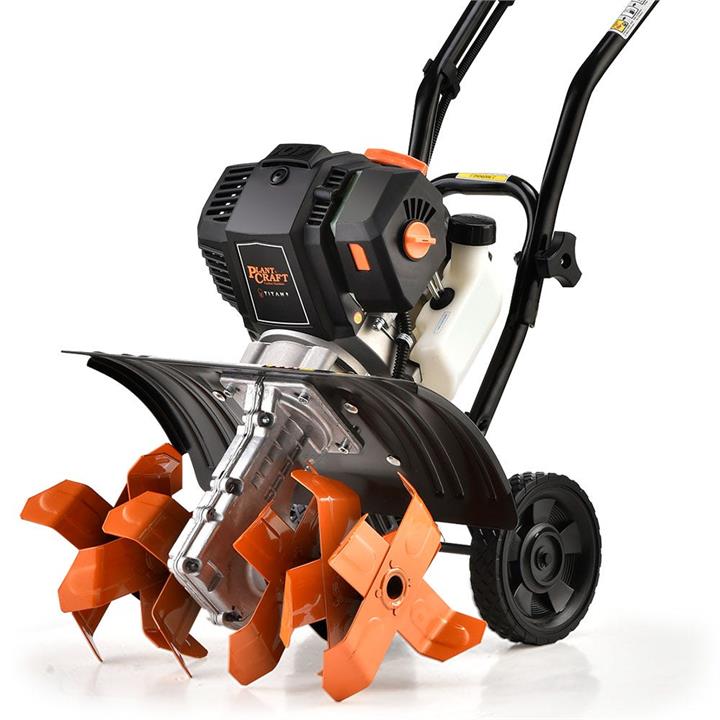
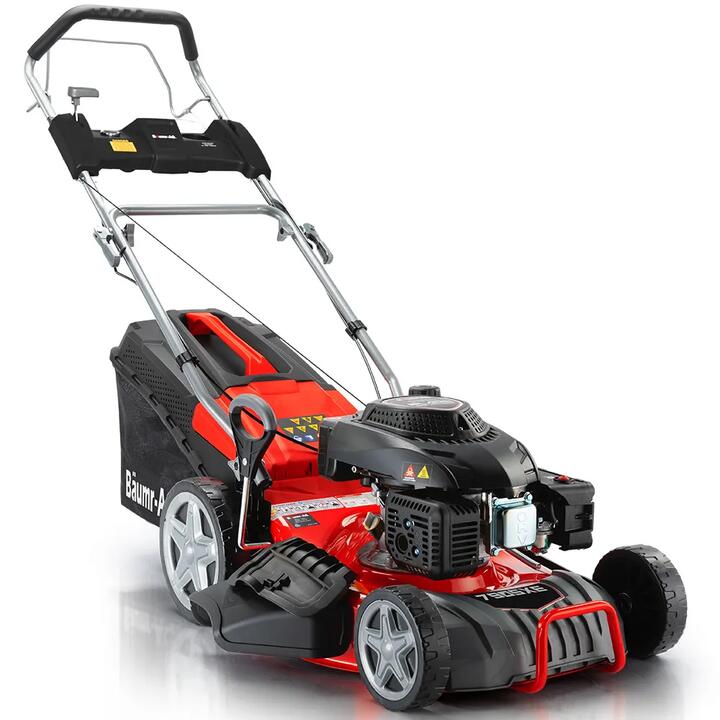
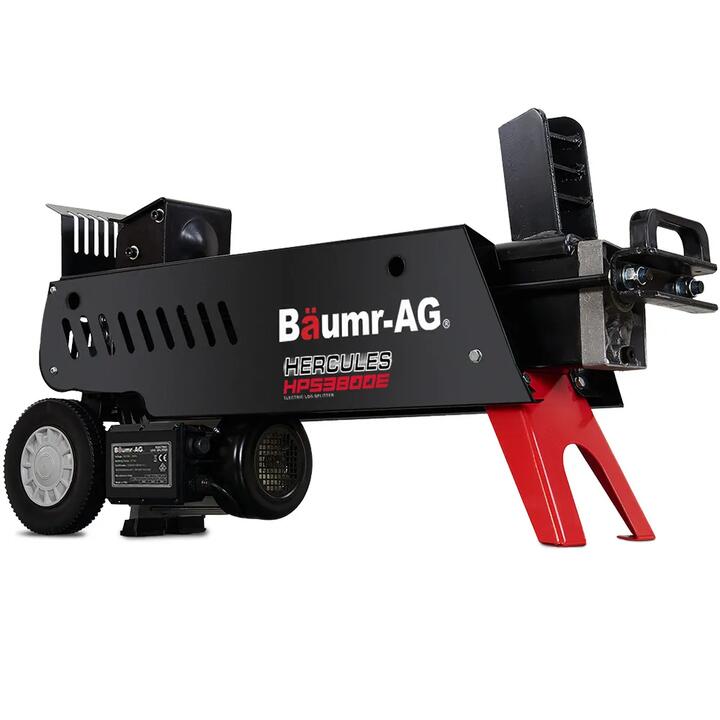
Cultivating stubborn soil can burn up weekends and wear you down. Whether you’re prepping garden beds or tackling compacted sections, finding the right tool makes all the difference. The PLANTCRAFT 7.0HP Cultivator Tiller Plough Self-Propelled Rotary Rototiller aims to take the backache out of garden groundwork, but it’s worth knowing how this machine fits into the Australian backyard.
This rotary tiller is designed to break up heavy soil, mix in compost, and ease the pressure on your arms and back thanks to its self-propelled drive. It offers considerable grunt at 7.0HP—a fair step up from electric or manual alternatives. However, more power usually means more weight and noise, so it’s overkill for tiny veggie plots or pots.

Where a Self-Propelled Tiller Stands Out
The PLANTCRAFT is a solution for those facing tough, neglected ground or starting ambitious garden beds. Its self-propelled function reduces the muscle needed to move through soil, especially in larger or uneven spaces. The trade-off? This isn’t a tool for tiny courtyards or delicate spaces. If you’re taking on small-scale planter boxes, stick to hand tools or lightweight electric cultivators instead. ⚙️
Who Gets the Most from This Machine?
If you’re managing medium to large garden plots, hobby farms, or preparing ground for new lawns, the PLANTCRAFT’s power and self-propelled design come into their own. It suits home gardeners who need to regularly aerate, mix in organic matter, or break new ground. On the other hand, it’s likely too much for those with only raised beds, small backyards, or limited storage—plus, if manoeuvrability is critical, reconsider.
What to Check Before You Commit
- Space and access: Measure your paths and gate widths. This tiller’s size can be a problem in tight spots.
- Soil type: If your soil is rocky or full of roots, check if the tiller is rated to handle obstructions, or be prepared for stoppages.
- Transport and storage: Consider the weight for loading, moving, and storing. A heavy tool demands suitable space and safe lifting practices.
- Support: Look into parts availability and whether servicing is straightforward. Well-supported tools are easier to keep running long-term.
Getting Ready: Safe First Use
🛡️ Unbox with care, keeping the manual close for setup instructions. Before you fire up the engine, inspect all moving parts and controls, tighten bolts, and top up fluids as required. Start in a clear, open area, well away from bystanders. Always wear sturdy boots, eye protection, and gloves. If you’re unfamiliar with rotary tillers, practise in a small section before moving to tougher terrain. Never fuel or service the tiller while it’s hot.
Down-to-Earth Tips for Better Results
Let the tiller, not your arms, do the hard work. Overlapping each pass slightly creates an even finish and prevents missed strips. For new or clay-heavy ground, go slow—several shallow runs often work better than one aggressive pass. Turn off the machine if you hit a hard object rather than forcing through. Clear debris after each session, and always keep children and pets well clear during use. ✅
Ongoing Care: Maintenance Matters
- Clean after every use: Remove soil caked around blades and under guards to prevent rust and wear.
- Check oil and fuel: Before each session, confirm fluids are topped up and clean—engine life depends on it.
- Inspect for damage: Look over moving parts for wear, especially the tines and drive belts.
- Store out of the weather: Find a dry, sheltered spot and cover it up to deter rust.
The Mistakes That Catch Out New Users
– Skipping the manual: Always read set-up and maintenance guidance.
– Overworking the soil: More passes are better than going too deep too soon.
– Ignoring obstructions: Hitting rocks at full speed is a recipe for damage.
– Neglecting protection: Boots, gloves, and eye guards aren’t optional.
Plantcraft Tiller FAQ
Is it easy to manoeuvre in tight spaces?
This model is likely bulky compared to handheld options. If you’ll be working in narrow beds or confined areas, measure carefully before purchasing.
Does it chop through roots and rocks?
The description doesn’t specify, so expect best performance in reasonably clear soil. For root-heavy ground, go slow and stop if the machine struggles.
How noisy is it?
As a petrol-powered tiller, expect more noise than electric units. Ear protection is a smart precaution if you’re sensitive to sound or have close neighbours.
Can I service it myself?
Basic cleaning and oil checks are straightforward. More complex repairs may need professional help—always follow manual guidance for safety.
Making Your Choice
🔥 The PLANTCRAFT 7.0HP Cultivator Tiller will save time and sweat for those tackling sizeable or heavy-going gardens. For anyone with modest space or delicate jobs, a smaller option is wiser. If this is your first tiller, check your access, storage, and soil—better to ask questions now than struggle later. Ready to get started? Seek the manual, examine the machine, and put safety first. Your garden (and back) will thank you.
About the author and safety review
Ken Walker
Former Station Officer and fire service educator
Fire and emergency service educator with 40 years of career and volunteer experience.
Qualifications: Associate Diploma of Applied Science in Fire Technology; Institute of Fire Engineers studies.
Author profileGeneral information only. Follow official warnings, local procedures and manufacturer instructions.