ROSSI 300 Amp MIG Stick Welder Review
Need a practical welder that is easier to move and still flexible enough for MIG or stick jobs? This guide covers what the ROSSI 300 Amp MIG Stick Welder does well, who it suits, what to check before buying, and how to get safer, better results from day one.
A Compact Welder for Practical Jobs
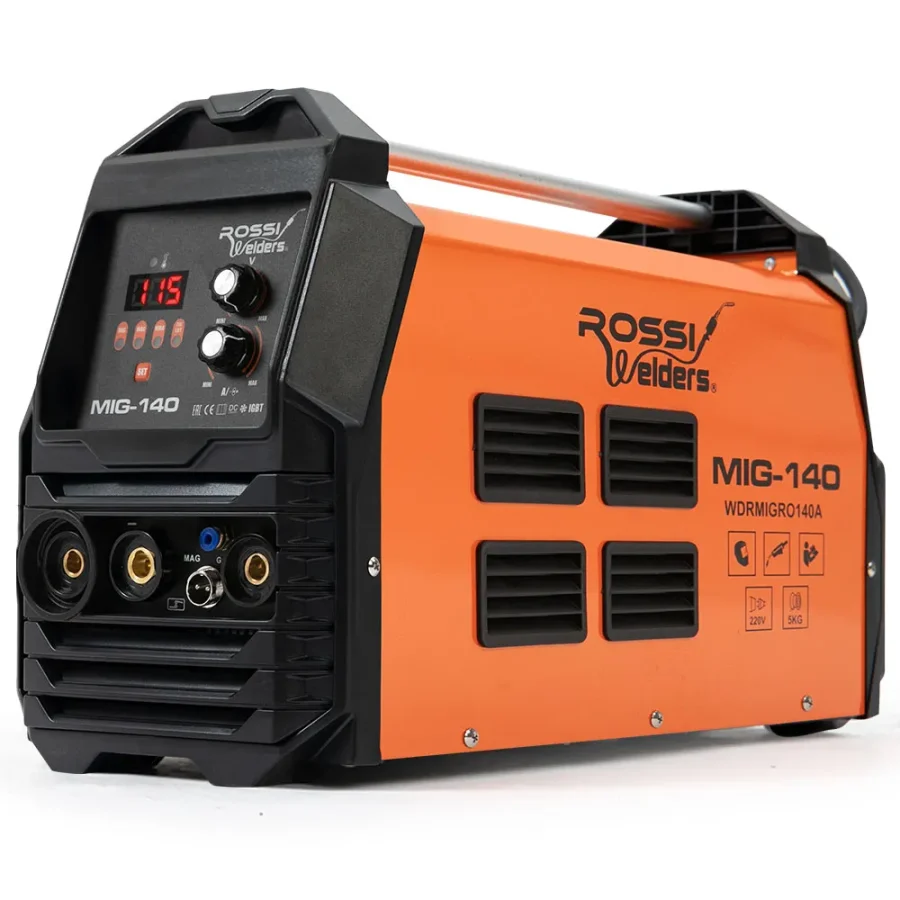
The ROSSI 300 Amp MIG Stick Welder is presented as a portable DC inverter unit that supports both gas and gasless welding and runs from a standard 15A plug. That makes it a practical option for users who want flexibility without stepping up to a much larger machine.
The trade-off is simple: you gain convenience and portability, but you should not expect the extra advanced features found in larger or more specialised workshop units.

ROSSI 300 Amp MIG Stick Welder
A portable DC inverter welder designed for MIG and stick work, with gas and gasless flexibility and a 15A plug connection for practical setup on suitable outlets.
- ✅ Portable design for easier transport
- ✅ MIG and stick capability
- ✅ Supports gas and gasless welding
- ✅ Runs from a 15A plug
- ✅ Suited to practical repairs and fabrication jobs
At a Glance
- Welder type: DC inverter
- Welding modes mentioned: MIG and stick
- Gas support: Gas and gasless
- Power connection: Standard 15A plug
- Best use case: Portable repairs, property jobs, and general fabrication tasks
Why This Welder Stands Out
- 🔧 Gives users the flexibility to handle both MIG and stick work with one machine.
- ⚡ The 15A plug setup makes it more practical for suitable sites where mobility matters.
- 🚚 Portable design makes it easier to move than a larger workshop-based unit.
- 🛠️ Better suited to real-world repairs and smaller fabrication jobs than bulky gear that is harder to transport.
Who It Is For
- Handy users who want a versatile welder for repairs or fabrication jobs.
- Tradies who value compact gear for practical site work.
- Property owners who want something easier to move and set up than a large workshop unit.
Who May Need Something Else
- Users doing heavy industrial work every day.
- Buyers who want lots of advanced preset modes.
- Anyone chasing ultra-high-precision features usually found in more premium equipment.
What to Check Before Buying
- Power point: Make sure you have a suitable 15A outlet with the larger earth pin.
- Included accessories: Check whether starter wire or basic consumables are included.
- Size and weight: Confirm it will be easy enough to carry if you need to move it often.
- Accessory compatibility: If you already own a helmet or other gear, confirm it suits a DC inverter setup.
- Retailer details: Ask about torch type, lead length, and package contents if you need those details before ordering.
Quick Setup and Safer Use
- 📘 Read the manual before first use.
- 🔥 Place the welder on a stable, non-flammable surface.
- 🌬️ Allow proper ventilation and keep sparks away from flammable materials.
- 🧤 Wear proper PPE including helmet, gloves, and non-synthetic clothing.
- 🔄 If using gasless mode, thread the wire correctly and check polarity.
- ⚒️ For stick welding, match the electrode to the job and check clamp connections.
- 🧪 Practice on scrap metal first before starting your main project.
Simple Tips for Better Results
- Keep wire feed and travel speed consistent for cleaner MIG welds.
- Maintain a steady arc distance for smoother stick welds.
- Clean rust, paint, and surface contamination before you start.
- Respect the duty cycle and allow cooling breaks as recommended.
- After use, let the machine cool, wipe it down, inspect the cables, and keep vents clear.
Common Mistakes to Avoid
- Ignoring the duty cycle and running the machine too hard for too long.
- Welding on dirty, painted, or rusty surfaces.
- Using the wrong polarity or the wrong electrode for the job.
- Skipping PPE or working in poor ventilation.
- Storing the unit carelessly where moisture or foot traffic can damage leads and cables.
FAQ
Yes. The guide content states that it supports both gas and gasless welding, which adds flexibility for different jobs and setups.
It is described as using a standard 15A plug. Before buying, make sure you have a suitable 15A outlet and avoid unsafe extension lead setups.
It can be, provided the user follows the manual, sets it up carefully, uses proper PPE, and practises on scrap metal before moving to a real job.
Routine cleaning, careful storage, checking cables and connections, keeping vents clear, and respecting cooling breaks will all help with reliability and service life.
Final Word
If you want portability, practical flexibility, and access to MIG or stick welding from a 15A plug setup, the ROSSI 300 Amp MIG Stick Welder shapes up as a sensible option for everyday users. The key is to buy with clear expectations, confirm the details you need, and take setup and safety seriously from the start.
Ready to Check the Current Deal?
Review the current price and availability, then confirm the package contents and key details before you buy.
About the author and safety review
Ken Walker
Former Station Officer and fire service educator
Fire and emergency service educator with 40 years of career and volunteer experience.
Qualifications: Associate Diploma of Applied Science in Fire Technology; Institute of Fire Engineers studies.
Author profileGeneral information only. Follow official warnings, local procedures and manufacturer instructions.