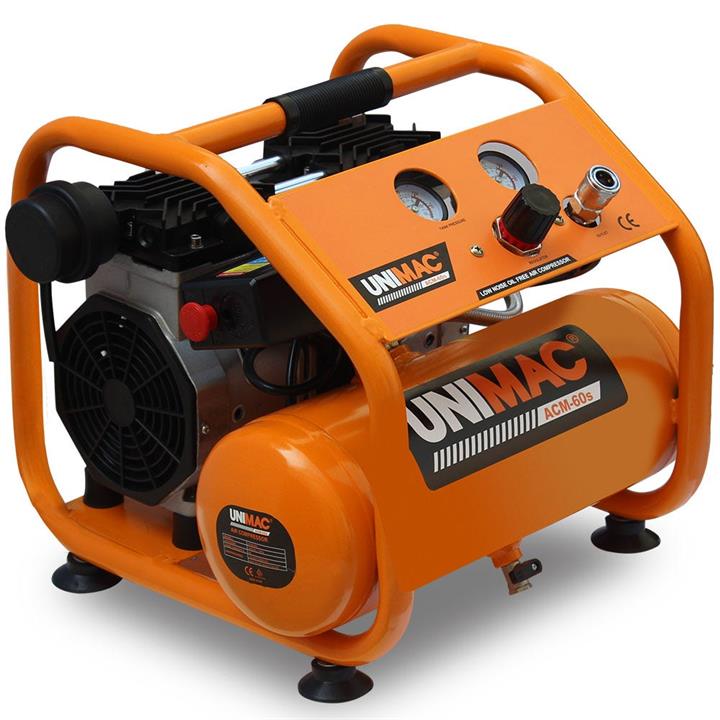
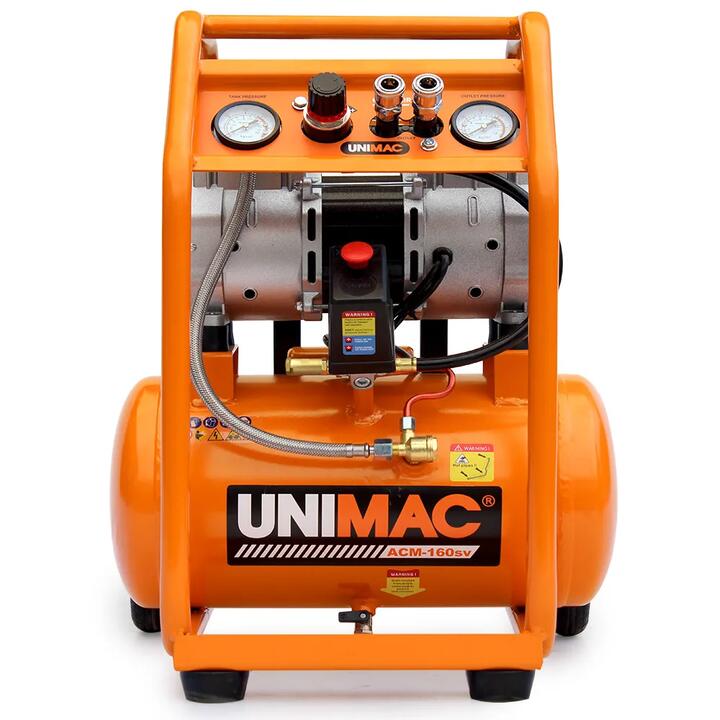
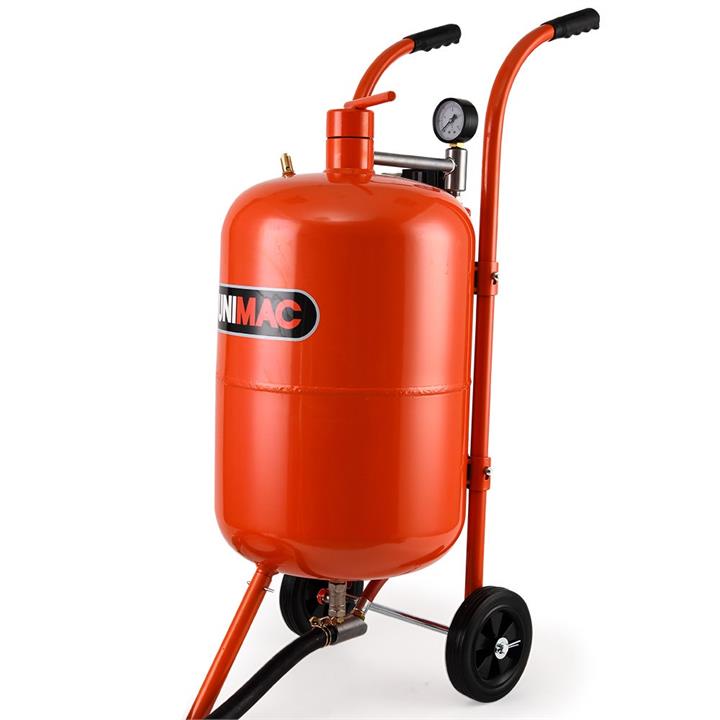
If you’ve ever run power tools in a busy workshop or managed spray painting jobs that stop for nothing, the importance of reliable air supply can’t be overstated. The UNIMAC 100L 2.6kW Industrial Air Compressor is built to answer that call, offering muscle and consistency without the fuss, which matters when time and budgets are already stretched.
This unit stands out for those who simply need air on tap: high output, solid durability, and a design fit for serious workplaces—with the crucial bonus of a certified vertical tank.

Quick take: What this UNIMAC brings
At its core, the UNIMAC 100L air compressor is a heavy-duty workhorse: 370L/min flow rate, 116PSI max pressure, and a brushless motor designed for long service. The vertical tank helps where floor space is at a premium, while the 15A plug means it requires a dedicated circuit. The biggest trade-off? It’s not portable or suited to light DIY jobs—this is a commitment to industrial-grade, stationary air supply.
Best for: Who needs this, and who doesn’t
⚙️ This compressor belongs in small industrial workshops, garages, or commercial settings running multiple air tools, paint sprayers, or tyre inflation stations. If you’re handling jobs where downtime is costly or air needs peak throughout the day, it’s a reliable fit. But if your tasks are sporadic, home-scale, or portability trumps all, a smaller or wheeled unit will likely serve better. Running it in a residential shed is usually overkill—not just in capacity, but also in power requirements and noise level.
Essentials to check before you buy
- Workshop power: Confirm you have a 15A dedicated circuit. Standard 10A outlets won’t support it safely.
- Physical footprint: Measure your available floor space and ceiling clearance. Vertical tanks still need safe access for inspection and maintenance.
- Air demand: Tally the total air consumption (L/min) of your tools. This unit outputs 370L/min—match this to your real-world requirements.
- Noise considerations: Large compressors can be loud. Place in a ventilated area away from customer-facing spaces or noise-sensitive neighbours.
If specs are missing, ask about duty cycle (continuous vs. intermittent use), rated noise level, tank coating (internal rust protection), and local service support.
Setup and first use—what not to skip
Take the time to read the supplied manual before plugging in. Use a certified 15A outlet and ensure the plug fits—no adapters or makeshift solutions. Stand the compressor on stable, level flooring and keep a 50cm clearance around the unit for cooling.
Before starting, open the tank drain valve briefly to check for shipping moisture—then close it securely. Double-check hose fittings and regulator connections for leaks. Set the pressure regulator to suit your tools (never fully open by default), and let the unit cycle up once before connecting any load. ✅
Get the most from your compressor—use and upkeep
Work smart by staggering tool use where possible to avoid pressure drops. For applications needing absolutely clean, dry air (like automotive spray painting), consider adding an in-line filter or dryer. Regularly test shut-off and safety valves—reliable operation keeps everyone safer.
- Drain condensation after each use to prevent rust. This is crucial for tank life.
- After a long run, let the compressor idle for a few minutes before switching off, allowing the motor and components to cool gradually.
Routine maintenance in plain English
🛡️ Even with a brushless motor promising longer service life, no compressor is truly fit-and-forget. Check the air filter regularly—clogged filters stress the machine. Inspect hoses and fittings for signs of wear, cracks, or chafing. Listen for new noises, which often signal parts needing attention. A clean work area around your compressor cuts accident and downtime risks.
Stick to a maintenance schedule. Log each service or inspection; this helps spot patterns and keeps warranties valid if one is offered by the supplier.
Steer clear of these common mistakes
🔥 Well-intentioned users sometimes cut corners, leading to problems that show up months later:
- Using a standard 10A circuit can overheat wiring—always match your plug and socket.
- Neglecting condensation draining shortens tank life dramatically.
- Overloading with too many air tools reduces pressure for all users—and strains the motor.
- Storing in a damp, unventilated space encourages rust and early failure.
Mini FAQ: Answers to real-world questions
Is the motor low-maintenance? Yes, the brushless design typically means fewer issues, but filters, hoses and safety checks still require routine attention.
What kind of tools work best? Mid-to-large pneumatic tools, spray guns, and inflators that need consistent flow. Check that your required airflow is within the unit’s 370L/min output.
Does the tank resist rust? The tank is certified, but if internal rust protection isn’t listed, ask your supplier. Always drain condensation to minimise risk.
What’s the one must-do? Drain the tank after each use to protect your investment and everyone’s safety.
Final word: Who this compressor really serves
For anyone managing a busy, tool-heavy workspace where a failing compressor can mean serious downtime, the UNIMAC 100L Industrial Air Compressor is a worthy workhorse. Expect reliable output and long service, provided you keep to maintenance basics and give it the space and power it deserves.
If you’re ready to upgrade your workshop’s air supply, measure up your space, double-check your power, and ask any unanswered questions before purchase. For those who need industrial-grade capacity, this is a practical next step.
About the author and safety review
Ken Walker
Former Station Officer and fire service educator
Fire and emergency service educator with 40 years of career and volunteer experience.
Qualifications: Associate Diploma of Applied Science in Fire Technology; Institute of Fire Engineers studies.
Author profileGeneral information only. Follow official warnings, local procedures and manufacturer instructions.