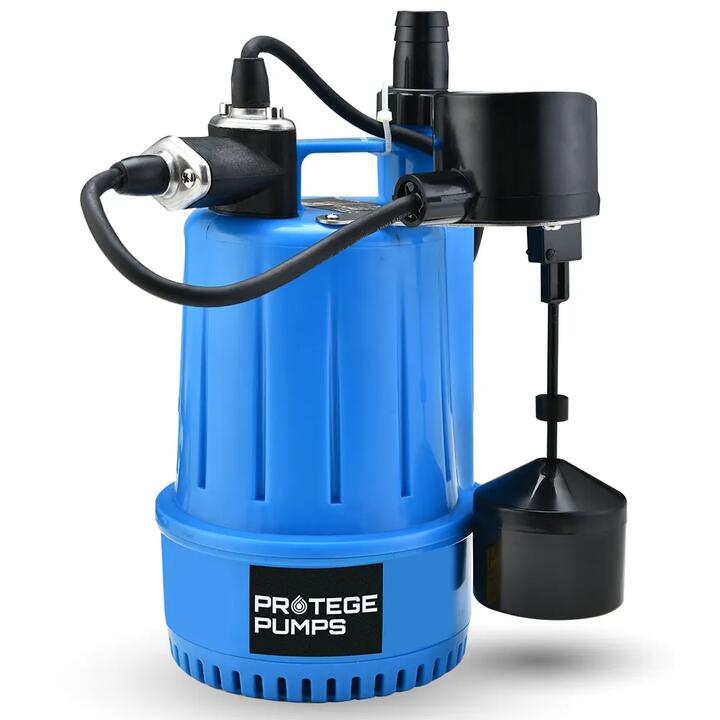
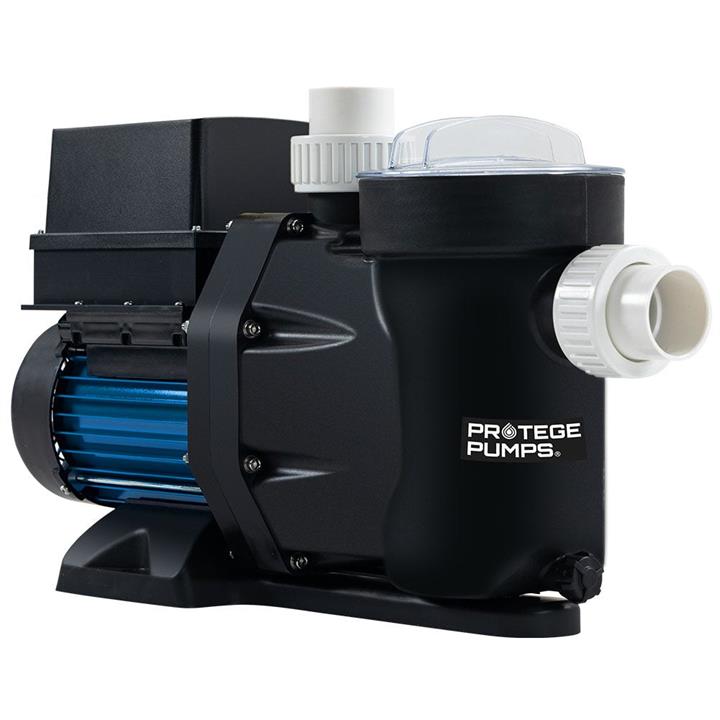
Reliable Dirty Water Handling: PROTEGE 2250W Submersible Dirty Water Pump
Managing waste water—whether from septic tanks, boreholes, wells, or flooding—can be a big job. That’s where the PROTEGE 2250W Submersible Dirty Water Pump comes in. Purpose-built to move water mixed with solids, this pump can be an essential tool for homeowners, property managers, and tradespeople across Australia. If you’re after practical solutions and safe systems for handling dirty water, this pump is worth considering.

Why This Pump is Useful
Standard water pumps can struggle (and even fail) when faced with dirty water—think sewage, muddy bore water, or sludge-filled tanks—which often contain debris or solids. The PROTEGE 2250W Submersible Dirty Water Pump is built specifically for these jobs. It sits directly in the water source, making it easy to pump out heavy waste water for routine emptying or emergency situations like severe weather flooding. This takes the hard, messy labour out of the job, easing your workload and protecting your infrastructure from overflow or backup.
Who Should Consider This Pump?
- Homeowners with septic or sewage systems needing routine or emergency water removal.
- Rural property owners/managers who deal with bores, wells, or stormwater runoff.
- Tradies or contractors working with construction site clean-up or drainage jobs.
- Anyone faced with dewatering basements, yards, or tanks after heavy rain or system faults.
What to Check Before You Buy
- Power requirements: Confirm you have access to the right electricity (2250W is a significant draw). Use a circuit that can safely handle the load.
- Water and solids type: This pump is for dirty water and sewage. It’s not for clean drinking water or water containing large, hard debris. Always check the size of solids the pump can handle with the manufacturer if in doubt.
- Tank/Bore/Well specifications: Measure the opening and depth to ensure the pump will fit and can be safely submerged.
- Discharge requirements: Consider where you want to direct the pumped water. You’ll need a robust discharge hose or pipe that matches the pump outlet and your job site.
- Regulatory compliance: All electrical pump setups should follow state and national electrical safety standards. Licensed electricians are recommended for anything beyond a simple plug-in install.
- Worksite safety: Assess whether you need personal protective equipment (PPE) for handling sewage or chemical waste.
Setup & First-Use Checklist
- Thoroughly read the manufacturer’s manual and all safety instructions before use.
- Inspect the pump for any visible damage after unpacking.
- Locate the lowest area in your tank, well, or flooded space to site the pump for maximum effectiveness.
- Ensure the power supply setup is dry, secure, and protected from water ingress. Use a weatherproof extension cord if working outdoors.
- Firmly attach the discharge hose or pipe to the pump outlet, making sure connections are tight to prevent leaks.
- Double-check the area for debris that could restrict water inflow.
- Lower the pump gently (don’t drop) into the water—make sure it’s always submerged.
- Never run the pump dry. The motor is water-cooled and can overheat quickly if not covered by water.
- Switch on the power only once everything is set and you’re positioned safely away from the water edge.
- Monitor operation on the first use to ensure the pump works as expected and is not blocked or leaking.
Safety Notes
- Always disconnect power before touching, lifting, or maintaining the pump.
- Use an RCD (residual current device) on your outlet to reduce the risk of electric shock.
- Wear gloves, boots, and eye protection if pumping sewage, greywater, or water with unknown contamination.
- Do not operate the pump with damaged cords or plugs.
- Keep children, pets, and unnecessary personnel away from the pump and work site when operating or servicing the equipment.
- If the water may contain chemicals, arrange for proper waste disposal in line with regulations.
Maintenance Tips
- After each use, rinse the pump exterior with clean water to remove sludge and debris.
- Inspect moving parts and the intake regularly—blockages can reduce performance and lead to overheating.
- Check hoses, seals, and fittings for cracks, leaks, or signs of wear every month during heavy use.
- If leaving the pump unused for a while, dry it out and store it in a clean, dry place, away from direct sun or moisture.
- Follow the manufacturer’s service schedule—some parts may require professional attention after a certain number of hours.
Common Mistakes to Avoid
- Allowing the pump to run dry, leading to overheating and possible motor burnout.
- Neglecting regular cleaning, resulting in blockages or reduced output.
- Trying to pump water with debris bigger or harder than what the pump can handle.
- Using worn, leaking, or undersized discharge hoses, which can lead to accidents and inefficiencies.
- Failing to ensure safe, compliant electrical connections (always consult a licensed electrician for permanent installations).
- Leaving the pump submerged and plugged in when not in use—water or electrical faults can occur over time.
FAQ
- Can this pump handle solid waste?
- Submersible dirty water pumps like this are designed to cope with water containing solids. However, always check the maximum solid particle size recommended by the manufacturer. Avoid items or debris that could jam the impeller.
- Is this pump suitable for potable (drinking) water?
- No, it is not intended for drinking water. Only use for dirty water, sewage, or wastewater.
- How often should I service or check the pump?
- Inspect before and after each use, and clean monthly if used regularly. More frequent checks are wise if you’re dealing with very dirty water or heavy debris.
- What if the pump stops working?
- Immediately turn off and disconnect the power. Check for blockages, secure all fittings, and review for any obvious faults. If you’re not sure, consult the manual or contact a pump technician.
- Does it come with hoses or fittings?
- The product description does not list included accessories, so be prepared to source matching hoses or fittings compatible with your setup.
- How deep can I submerge the pump?
- Check the user manual for maximum submersion and water depth limits. Never exceed manufacturer recommendations for safe operation.
- Can I leave the pump in place when not in use?
- It’s best to remove, clean, and store the pump dry between uses to prolong its lifespan and reduce corrosion or failure risks.
Conclusion
The PROTEGE 2250W Submersible Dirty Water Pump offers an effective, budget-aware way to tackle moving dirty water in tough Australian conditions. Paired with a little regular maintenance and safe operation, it keeps your systems running smoothly and protects your property assets from water or sewage hazards. For those who want less mess, less manual labour, and more peace of mind—this kind of pump is a solid solution.
About the author and safety review
Ken Walker
Former Station Officer and fire service educator
Fire and emergency service educator with 40 years of career and volunteer experience.
Qualifications: Associate Diploma of Applied Science in Fire Technology; Institute of Fire Engineers studies.
Author profileGeneral information only. Follow official warnings, local procedures and manufacturer instructions.