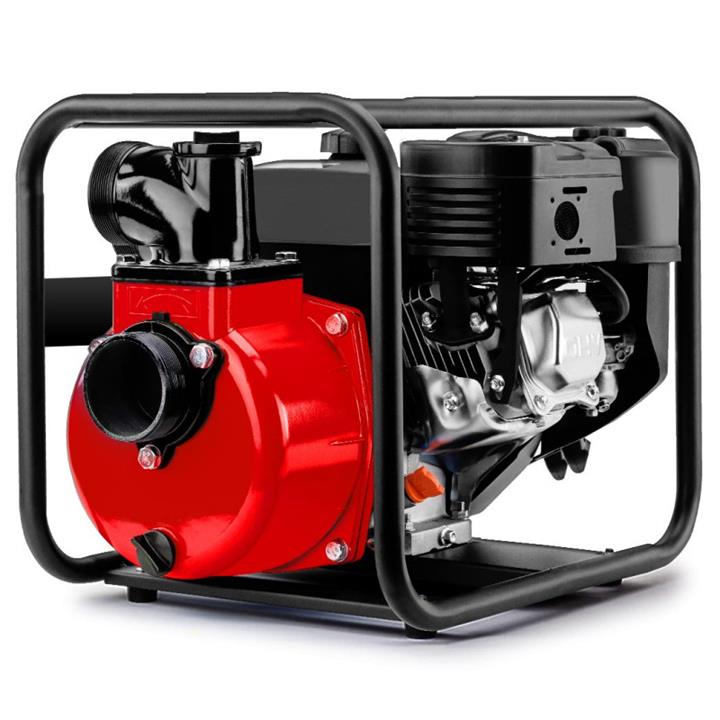
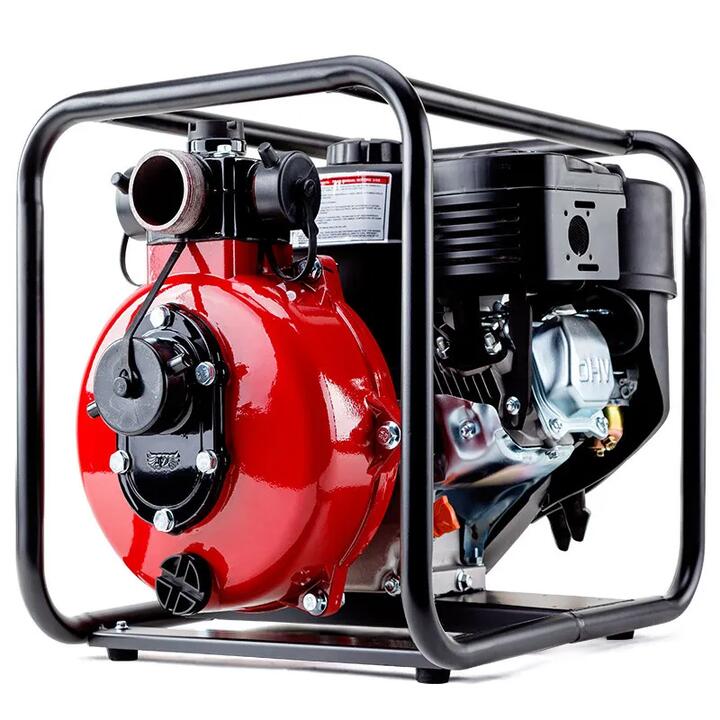
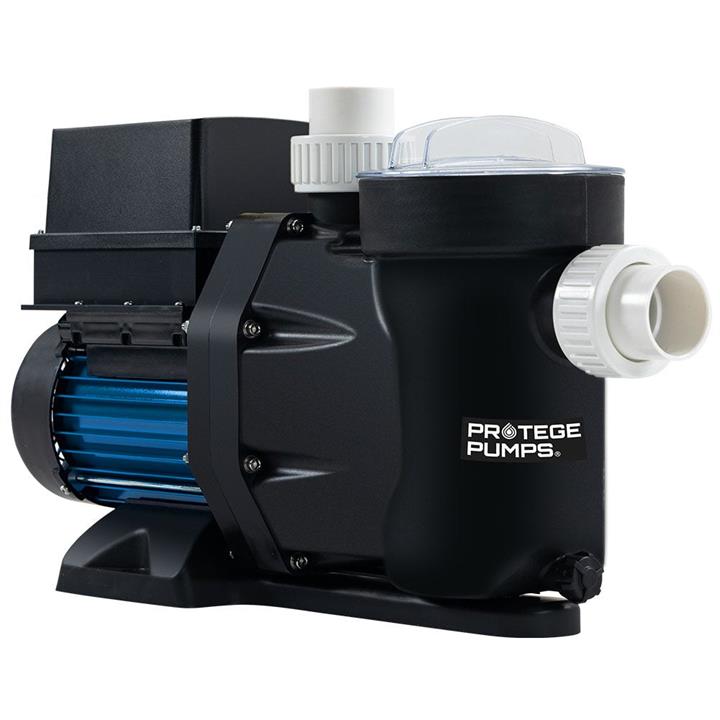
WARTON 2" 8HP High-Pressure Diesel Water Pump Guide
A practical guide to what this high-pressure diesel water pump is used for, who it suits, what to check before buying, how to set it up safely, and how to keep it working reliably over time.

WARTON 2" 8HP High-Pressure Water Pump
Built for practical water transfer jobs where pressure, reliability, and diesel efficiency matter. This model is suited to demanding property, farm, and onsite use where straightforward operation is important.
Why Use a High-Pressure Diesel Water Pump?
High-pressure diesel water pumps are suited to moving water over longer distances or to higher points where dependable pressure is needed.
- Rural firefighting applications
- Irrigation and watering systems for farms and gardens
- Filling or emptying water tanks, troughs, or dams
- Construction site dewatering or managing unexpected flooding
Diesel power can also be a practical choice for regular use thanks to fuel efficiency and safer long-term storage compared with petrol.
Who This Pump Is For
- Farmers and primary producers needing dependable irrigation or water transfer support
- Rural landholders wanting an on-hand high-pressure pump for fire readiness
- Tradies and contractors shifting water onsite
- Property owners dealing with long hose runs or higher-pressure water movement
What to Check Before You Buy
- 2" (50mm) hose compatibility: Make sure your inlet, outlet, fittings, and clamps match.
- Fuel handling: As a diesel model, safe diesel storage and handling should already be sorted.
- Pressure and distance needs: Check that a 2" high-pressure pump suits your required height and hose run.
- Main job type: High-pressure pumps are best where forceful water movement matters more than simple low-pressure volume.
- Dealer support: Buying from a reputable supplier can help with warranty and backup support.
Setup & First-Use Checklist
- Unbox the pump carefully and inspect it for transit damage.
- Place it on a steady, level surface away from clutter.
- Fill with the correct clean diesel using a funnel to reduce spills.
- Check the engine oil level and top up if needed, following the manual.
- Connect the suction hose to the inlet and discharge hose to the outlet.
- Double-check clamps and fittings before starting.
- Prime the pump if required before first use.
- Watch for leaks, unusual noises, or anything abnormal once running.
Safety Notes
- Never run the pump dry.
- Only operate outdoors or in well-ventilated areas.
- Let the engine cool before refuelling.
- Wear gloves and safety goggles when handling fuel, oil, and hoses.
- Keep the pump and diesel away from ignition sources.
- Have a fire extinguisher nearby during high-risk use.
Maintenance Tips
- Check and change engine oil as scheduled in the manual.
- Inspect and clean air and fuel filters as needed.
- Flush water from the pump housing and hoses after use.
- Check fittings and clamps for rust, wear, or damage.
- Run the pump briefly each month during long storage periods.
- Store diesel in a sealed, labelled container away from children and animals.
Common Mistakes to Avoid
- Using petrol in a diesel engine
- Running the pump dry or forgetting to prime it
- Allowing dirt or water into the diesel tank
- Ignoring oil and filter maintenance
- Leaving water in the system during storage
- Over-tightening hose clamps and damaging fittings
Frequently Asked Questions
Many rural property owners use high-pressure diesel pumps for fire protection. It is useful as a first line of defence, but it is not a substitute for professional firefighting services. Always check local recommendations and understand the pump’s limits.
This pump suits standard 2" (50mm) hoses. Choose hoses rated for high pressure and make sure your fittings and clamps match correctly.
Most centrifugal pumps need priming before first use or whenever air has entered the system. Check the enclosed manual if you are unsure.
These units can run for extended periods if oil and fuel are maintained, but you should stop periodically to check temperature, oil level, leaks, and unusual noises, following the manufacturer’s guidance.
Diesel generally offers better economy and safer storage for regular use. It is also less flammable and more stable in storage than unleaded petrol.
Basic servicing such as oil changes, filter checks, and hose inspections is straightforward. For anything more involved, a small engine mechanic is a sensible option.
Yes, but keep it upright and secure it properly to stop movement. Where practical, drain fuel and water before transport.
Conclusion
The WARTON 2" 8HP high-pressure diesel water pump is a practical option for people who need reliable, forceful water transfer for rural, farm, or onsite work. With proper setup, safe use, and simple routine maintenance, it can be a dependable part of your equipment.
Ready to Check Price and Availability?
Review the current listing, confirm suitability for your job, and compare the details before buying.