Home air compressors often promise more than they deliver. The real test? Whether they fit around your jobs and don’t end up gathering dust in the shed. For those sick of loud, heavy monsters or greasy hands after every use, a new generation of quiet, oil-free units such as the UNIMAC 15L Pancake Air Compressor is worth a closer look. Let’s break down its best uses, sensible limitations, and how to get the most from your money. ⚙️
Compact, quieter, but not a workshop brute
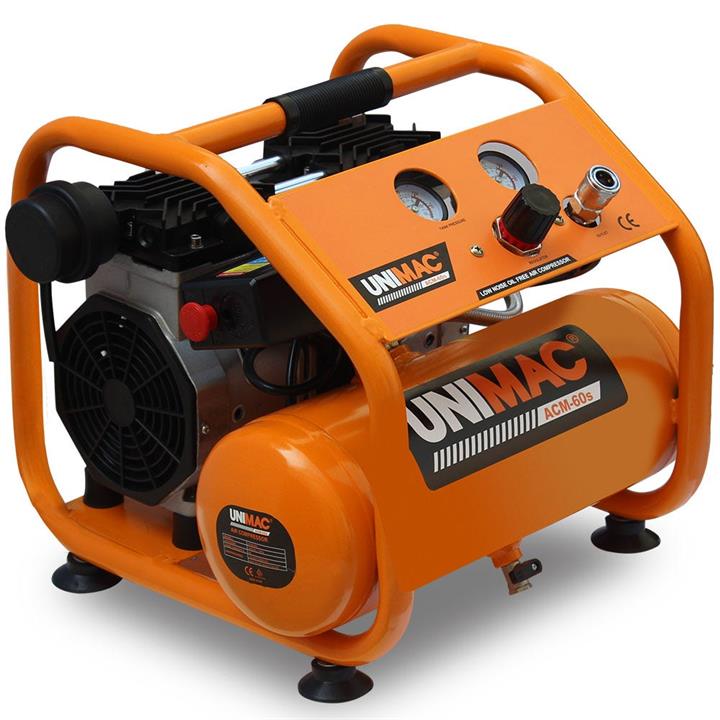
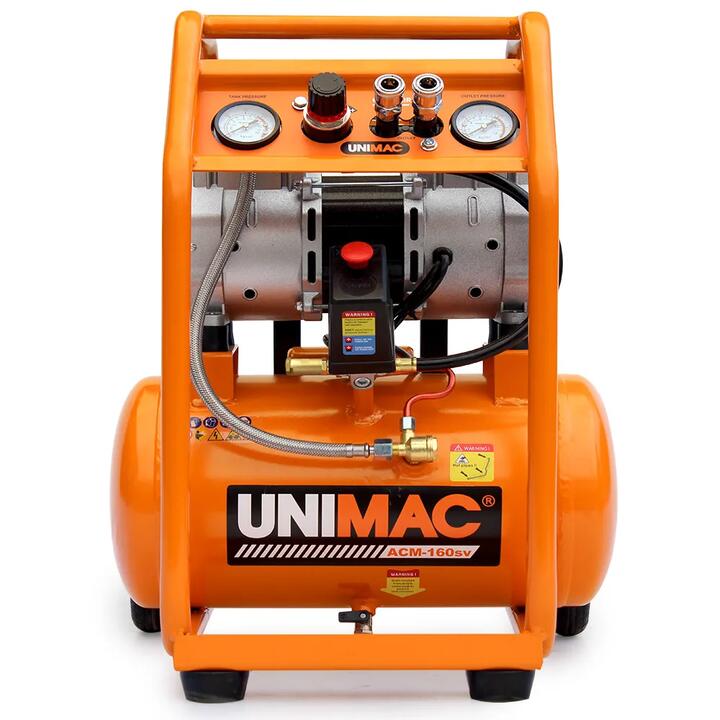
The UNIMAC 15L Pancake Air Compressor combines a modest 15-litre tank with oil-free, electric operation. It’s built for tasks like topping up car and bike tyres, inflating sports gear, and running lighter airtools—think nail guns and dust blowers—without churning out endless racket. At up to 116 PSI, it has enough muscle for most homeowner tasks, though those demanding continuous airflow or running large tools will push up against its limits. The main compromise is output: this model favours convenience and manageable size over non-stop, industrial use. 🔌
Who will benefit—and who’s better served by something else?
If your tools get brought out on weekends, and you’d rather not announce it to the whole neighbourhood, this compressor is pitched at you. The lightweight, pancake design simplifies both storage and transport. Cyclists, drivers, craft hobbyists, and weekend renovators all stand to benefit from a model that’s ready quickly and doesn’t require learning engine maintenance.
- Busy home users who value simple setup and storage
- People sensitive to noise in shared garages or suburban settings 🔇
- Anyone after minimal ongoing maintenance (no oil needed)
- Drivers or cyclists wanting reliable tyre inflation at short notice
It’s not suited to tradies powering heavy sanders, paint sprayers, or air-hungry workshop tools for hours daily. If you frequently work with large tools or need multi-user performance, a bigger (and louder) compressor is the safer bet.
What to tick off your list before you buy
Don’t get caught up solely in tank size or pressure ratings. It’s smart to:
- List the tools you’ll run—and check their air (PSI and L/min) needs against what the compressor can deliver (ask retailers or check your tool manuals).
- Measure the spot you’ll use and store the unit—pancake shapes are short and wide, so double-check clearance.
- Check how “silent” the unit is—ask for decibel levels or request a live demo if noise matters to you.
- Confirm cord length and plug compatibility for your workspace. 🔌
It’s also worth asking how quickly the compressor recovers (refills the tank) after use; faster cycling suits more regular jobs. If you plan to run more than one tool at a time, double-check the flow rate will keep up.
Setup: getting off to a safe and smooth start
Begin on a flat, solid surface—avoid carpet or uneven slabs, which can worsen vibration. Plug directly into a grounded, dedicated power point, avoiding double adapters or extension cords where possible. Connect your air hose and attachments securely—listen for clicks and gently test for leaks before pressurising. Build pressure gradually: let the tank fill, monitor the gauge, and familiarise yourself with the regulator adjustment before triggering any tool. 🔥
Tips for best results and consistent performance
- Let the tank reach full pressure before connecting tools.
- Practice using the regulator for precise pressure—better tool control, safer outcomes.
- Avoid continuous running for long stretches; work in bursts and allow short rests between tasks.
- Keep hoses untangled and fittings clean for airtight connection every time.
For tyre inflation, check your gauge against the vehicle’s manual (overinflation can be as risky as too little air). For tools, always start at lower pressure, increasing only as necessary.
Maintenance: care that extends compressor life 🛡️
Oil-free is less messy, but it’s not hands-off. After every session, briefly open the condensation drain under the tank—this prevents rust and keeps pressure steady. Wipe the exterior to prevent dust build-up, and check vents aren’t blocked (overheating risk). Store in a dry, sheltered spot—garages are ideal if damp or grit is kept low. Roll hoses loosely to stop kinks and split ends.
Pitfalls to sidestep
- Don’t assume “silent” means no noise—check ratings and don’t run at night near bedrooms.
- Neglecting to match tool demand to compressor—if you overwork the unit, it may cut out or wear early.
- Leaving water in the tank—minor now, costly later.
- Storing outdoors or uncovered—moisture and debris quietly ruin performance.
Mini-FAQ: what buyers often ask 🔍
Not quite. You avoid oil checking and changes, but draining water and cleaning vents remain essential.
Is it okay for indoor use?
Generally yes, thanks to quieter operation, but always check noise output first and ensure ventilation.
Can it handle bigger airtools?
Fine for light tools (nailers, staplers), but not suited to non-stop grinders or sprayers.
Will it power multiple tools at once?
Best results with one tool at a time—the flow rate likely won’t keep up otherwise.
Safe to leave plugged in?
For safety and best lifespan, unplug when not in use, and don’t leave the tank pressurised for long periods.
The bottom line: who should buy, and what’s next?
If you’re after a compressor that’s hassle-free, not deafening, and handles typical home jobs with ease, the UNIMAC 15L Pancake Air Compressor is a savvy choice. It’s made for people who want reliable inflation and tool use without a learning curve or ear muffs. The wise next move? Write down your tool(s)’ air needs, measure your workspace, and—if in doubt—see or hear the unit in action before committing. Good preparation prevents both disappointment and wasted spend. Sometimes, compact and quiet is exactly enough. 👌
About the author and safety review
Ken Walker
Former Station Officer and fire service educator
Fire and emergency service educator with 40 years of career and volunteer experience.
Qualifications: Associate Diploma of Applied Science in Fire Technology; Institute of Fire Engineers studies.
Author profileGeneral information only. Follow official warnings, local procedures and manufacturer instructions.