UNIMAC 16L Silent Oil-Free Electric Air Compressor: Portable, Quiet Power
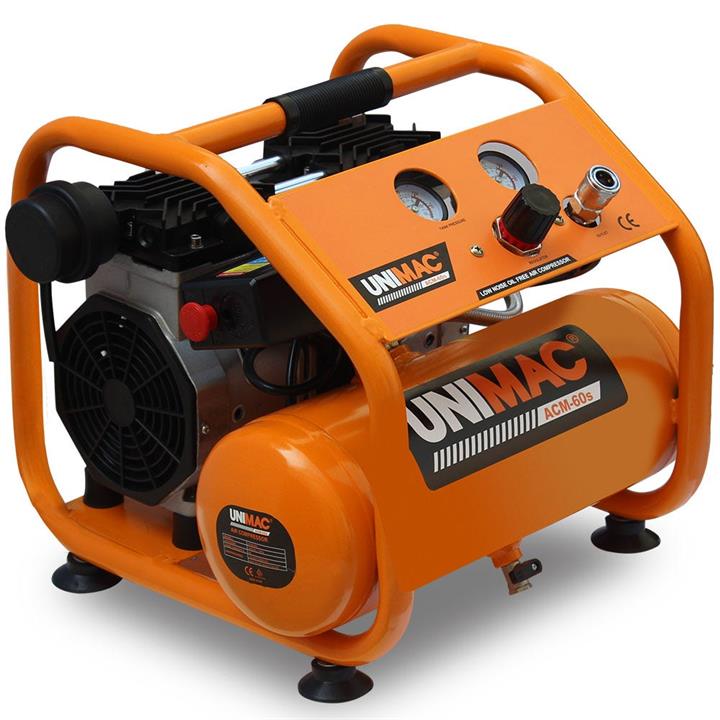
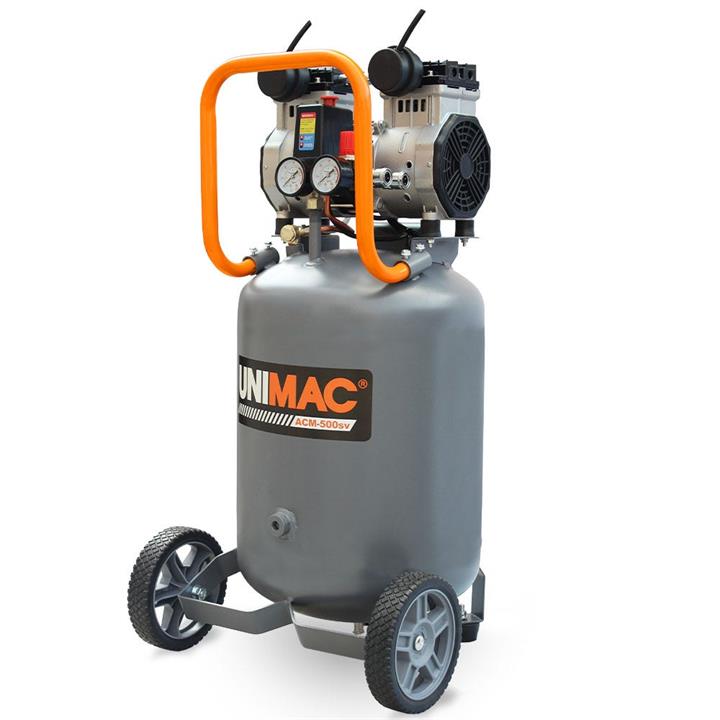
If you’re looking for a calm, low-maintenance air compressor that won’t cause a racket in your shed or garage, the UNIMAC 16L Silent Oil-Free Electric Air Compressor is a solid option to consider. With a mid-sized 16-litre tank, a 116PSI maximum output, and twin Nitto outlets, it’s designed for a wide range of light-to-moderate home and small trade uses. The wheeled design and sturdy handle make it easy to transport, while its oil-free motor keeps things simple on the maintenance front.

Why This Compressor Is Useful
Traditional air compressors can be quite noisy, require frequent oil changes, and are often heavy to move. This UNIMAC model addresses these headaches. Its “silent” motor (compared to most compressors) is much less disruptive, making it suitable for both urban and suburban settings. It is oil-free, which not only reduces ongoing costs but means you won’t have to deal with oil top-ups or the risk of oil spills contaminating your workspace.
With the 16L tank, you have a good balance between portability and usable air storage. The dual Nitto outlets mean two tools can be kept ready-to-go or you can easily switch between tasks, like inflating tyres and running a nail gun, without fiddling around with adapters.
Who This Compressor Suits
- DIYers and homeowners after a quiet, easy-to-use compressor for tinker projects, maintenance, or on-the-spot tyre inflation.
- Tradies looking for a portable backup or a main compressor for air tools with moderate pressure requirements.
- Anyone in shared spaces—like strata garages or apartment complexes—where excessive tool noise isn’t welcomed.
- People wanting little maintenance, as the oil-free design means fewer tasks to remember and fewer consumables.
What To Check Before You Buy
- Make sure 116PSI (pounds per square inch) is adequate for your planned air tools. Some professional tools may need a higher PSI or air volume than this compressor can supply.
- If you don’t use Nitto couplings, factor in the cost of adapters so your current hoses or tools are compatible.
- The 16L capacity strikes a balance—it’s not for large, continuous air draws (like sandblasters) but ideal for intermittent use with air nailers, spray guns suited to medium compressors, and tyre inflation.
- Have a safe, accessible spot that supports the size and weight when full. Portability is helped by the wheels and handle, but make sure you’ll be able to move it where you need.
- Double-check your power supply’s compatibility. If you’re not sure what the unit requires, ask before you buy.
Setup and First-Use Checklist
- Open and read the instruction manual from start to finish. It will cover specifics for your model, including safety and troubleshooting.
- Stand the compressor on a flat, dry surface with good airflow around it to prevent overheating.
- Inspect the tank and all included components for any transit damage before plugging in.
- Attach your hose(s) or tools to the twin Nitto outlets securely, using thread tape on couplings if recommended.
- Adjust the output pressure regulator to match your tool’s requirements. Never exceed either the compressor’s max PSI or your tool’s limits.
- Plug the unit into a safe, appropriate electrical outlet. Avoid using long extension cords as they can cause voltage drop or overheating.
- Turn on the compressor and allow it to pressurise. Listen for unusual sounds and check for leaks around fittings.
- After first use, power off, unplug, and check that all hoses and fittings are intact and not leaking air.
Important Safety Notes
- Never exceed the maximum rated pressure (116PSI). Always check your tool requirements carefully.
- Keep children and pets away when the compressor is in use. Only operate it if you understand the basic controls and safety shutoff features.
- Always unplug the compressor when it’s not actively in use, or before moving and inspecting it.
- Before any cleaning or possible maintenance, release all pressure from the tank safely as described in the manual.
- Do not operate in wet or very dusty environments—there’s an increased risk of electric shock or shortened motor life.
Maintenance Tips
- As an oil-free unit, you skip oil checks entirely. Instead, focus on inspecting and clearing dust from cooling vents to prevent overheating.
- Periodically look at air hoses, fittings, and the power cord for splits, fraying, or signs of wear. Replace as needed.
- Drain any moisture from the tank after each use if your manual recommends it. This prevents water build-up and helps avoid rust or corrosion inside the tank.
- Wipe the outside down with a dry cloth before storing—avoid solvents or cleaners that might damage housings or seals.
- Store the compressor in a dry indoor location to extend its working life.
Common Mistakes and How to Avoid Them
- Overlooking the PSI or CFM (air volume) needs of your tools—always double-check specs before purchase and use.
- Leaving hoses or fittings loose, which can cause leaks, wasted energy, or damage to fittings over time.
- Overloading your workshop’s electrical circuit. Avoid sharing a power point with other high-draw devices while the compressor is running.
- Neglecting regular visual checks for wear, even though it’s a low-maintenance model. Catching a frayed cord or split hose early is much easier than repairing after a failure.
- Not releasing tank pressure after use for days on end. While not as urgent as with some other types, tank pressure should be released for safety if you’re not using it for a while.
Frequently Asked Questions
- How loud is “silent” really?
- It’s much quieter than most standard piston compressors, but you’ll still hear it at work. It won’t overwhelm conversation in a garage but is definitely not silent in the sense of total silence.
- Can I use an extension lead?
- Short, heavy-duty leads are best if you must use one. Long, thin cables can choke the current and overheat—avoid them if you can.
- What if my tools don’t have Nitto fittings?
- You can easily use adapters (widely available in Australia) to convert to other connector styles.
- Can I fill car tyres with it?
- Yes, it’s suitable for inflating standard vehicle, bicycle, or trailer tyres, as long as the tyre’s required pressure does not exceed 116PSI.
- Does it need much ongoing maintenance?
- No oil changes are needed. Just keep the unit clean, drain the tank if suggested by your manual, and perform regular visual checks.
- Is it safe to leave it under pressure when not using it?
- It’s best practice to turn off, unplug, and release tank pressure at the end of each session—especially if you’re not planning to use it again for several days.
- Can I run two tools at the same time?
- The twin outlets make it easy to leave two tools connected and swap between them quickly. The actual ability to run both at once depends on each tool’s air demand and should be approached with caution to avoid overloading the compressor.
Final Thoughts
The UNIMAC 16L Silent Oil-Free Electric Air Compressor is a practical, budget-aware choice for anyone after a low-fuss, low-noise solution for small workshop jobs and home maintenance. Its oil-free design and convenient handling make it especially attractive for busy DIYers and local tradies alike. As with any powered gear, always read the manual, double-check safety practices, and set reminders to perform simple checks so your compressor keeps running smoothly for years to come.