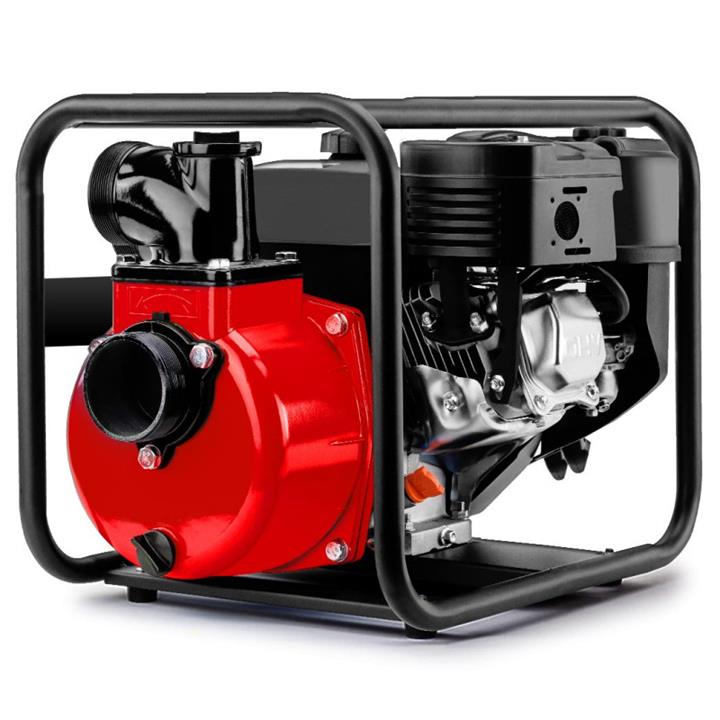
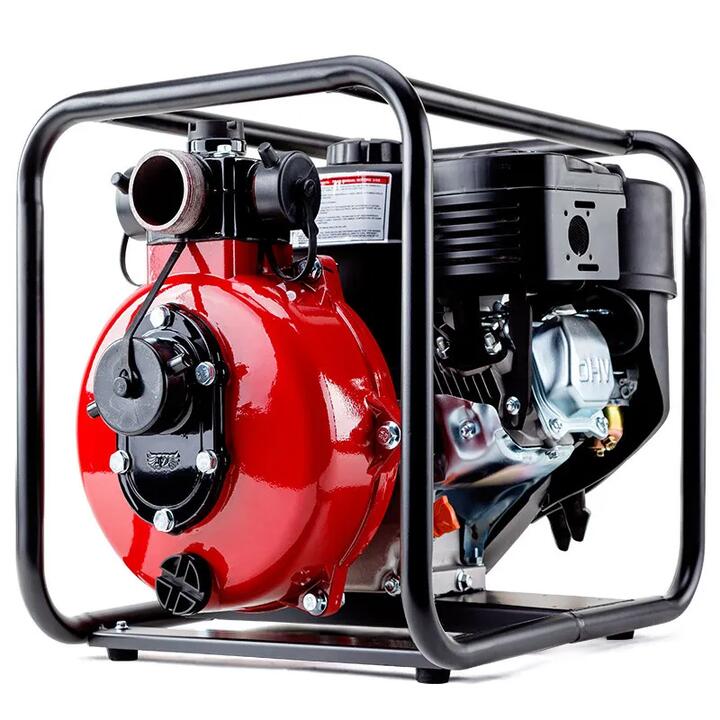
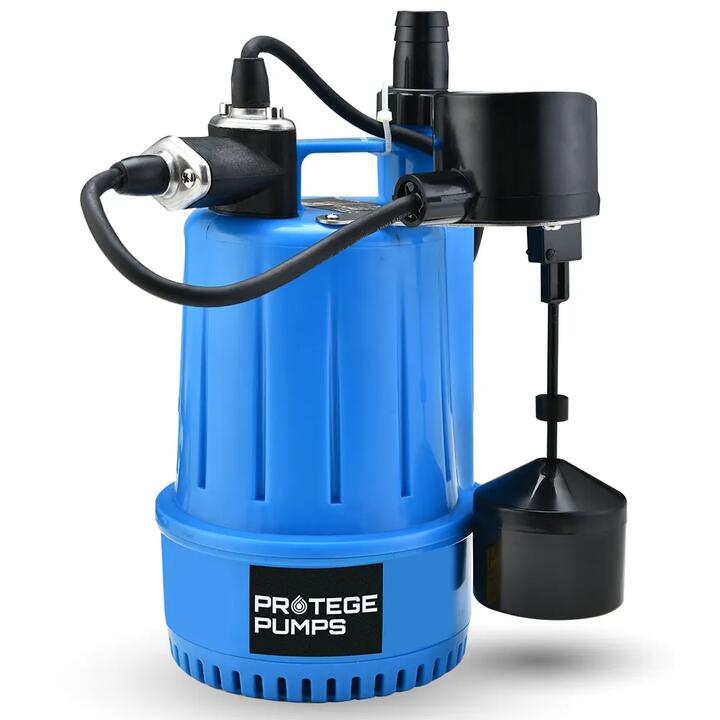
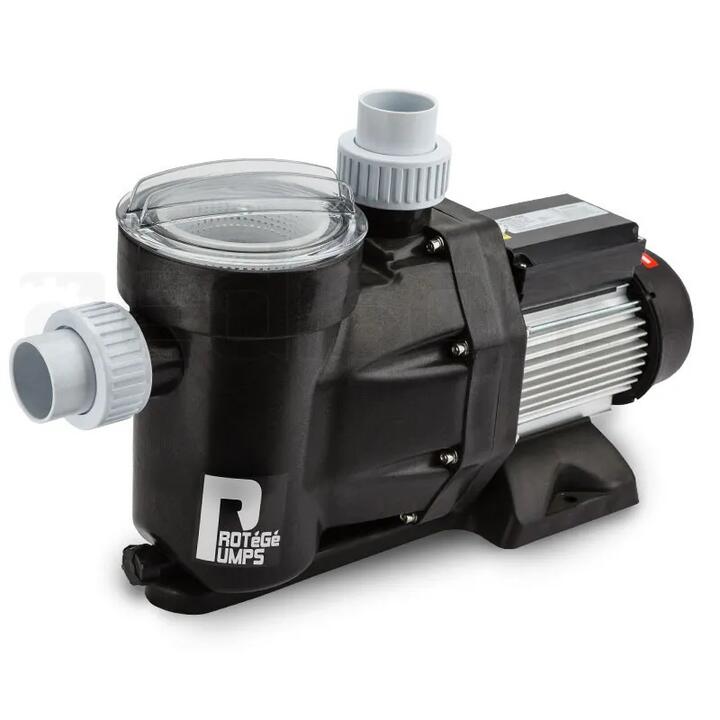
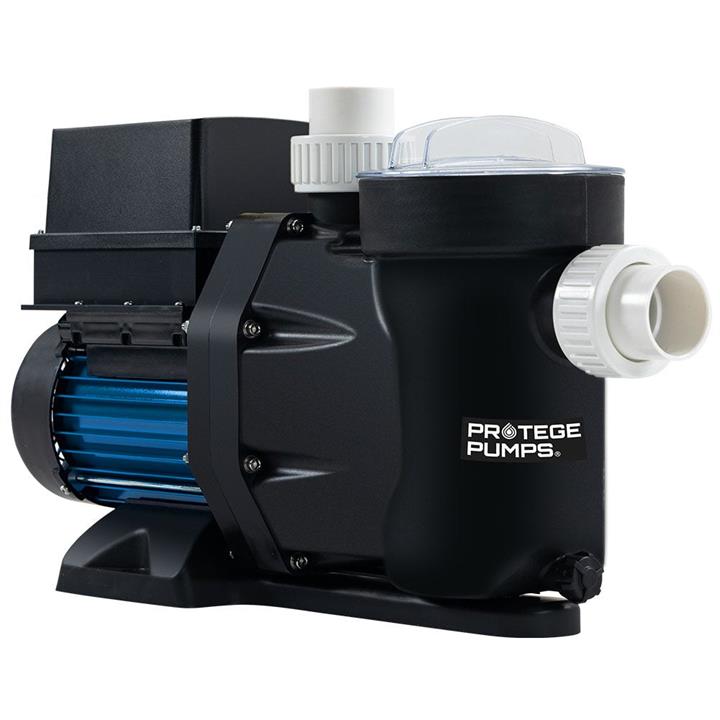
Managing grey water efficiently can make a noticeable difference in running a household smoothly and sustainably. For many Australian homes, especially those with multiple wet areas, a dedicated pump opens up practical ways to reuse and redirect water. The PROTEGE Grey Water Pump with 3 Inlet steps in here as a straightforward option worth your attention.
This pump is built for house grey water handling—think bathrooms, showers, sinks, and even laundry machines. Its three inlets add flexibility, but as with any pump, understanding its best use and safe setup is key to getting lasting value.

Quick Take: Where This Pump Fits—and Its Main Trade-Off
The PROTEGE Grey Water Pump, with 3 Inlet, is designed as a collection and transfer solution for grey water generated from typical household sources. By allowing three inlets, it can connect to several fixtures at once—for example, your shower, bathroom sink, and washing machine. ⚙️ The big trade-off is that while it adds convenience and helps manage water re-use, you’ll rely on correct installation and ongoing maintenance to avoid blockages or pump strain. It’s a functional, straightforward unit for those looking to centralise their grey water capture with minimal fuss.
Who This Pump Serves Best
It’s well-suited to small-to-medium households wanting to reuse or redirect grey water from several sources, such as folks setting up garden irrigation systems or aiming to reduce mains water use. If your laundry, shower, and sink are clustered close together—say in a renovation or new build—this pump can tidy up plumbing and make water management less hands-on. 🛡️
However, if you have only a single occasional water source, or you’re after a system that manages high volumes at once (think commercial or multi-storey buildings), this isn’t your best fit. Also, those uncomfortable with routine maintenance or lacking space near water points may want to consider simpler alternatives.
What To Check Before You Buy 🔍
- Confirm compatibility: Make sure the inlets fit your current pipe setup, or check if adapters will be needed.
- Assess available space: The pump should fit in a well-ventilated, easily accessible spot for later servicing.
- Consider outlet location: Plan where grey water will be discharged, ensuring it won’t cause issues with neighbours or runoff regulations.
- Ask about support: Clarify who you can contact for installation or troubleshooting advice if you’re not sure about DIY setups.
First-Use and Setup Guidance
Start by mapping out which fixtures will feed into each of the three inlets. Before installation, switch off all relevant water sources at the mains. Check that pipes are clean and free from debris; this helps the pump perform better from day one.
Securely fit each inlet, ensuring tight connections to avoid future leaks or backflow. Double-check that the pump’s outlet line is routed safely—away from foundations, into legal stormwater, or your irrigation layout. If unsure, a licensed plumber’s check is wise, especially for complying with local codes. ✅
Use Tips for Reliable Results
After installation, keep an eye on how quickly the pump clears water during peak usage, like after a shower or laundry cycle. Listen for abnormal noises, which can indicate early signs of blockage or airlocks in the system.
- Encourage household members not to flush solids or greasy substances down drains—this reduces pump strain.
- Keep inlet screens clear: Check monthly and remove hair or build-up from showers and sinks.
- Note run times: If the pump runs unusually long or frequently, check for partial obstructions.
Maintenance & Care for Long-Term Performance 🛠️
Grey water pumps work best when kept free of blockages. Every few months, power-down and inspect the inlets and outlet line for sediment or build-up. If the system includes a filter, rinse it regularly. Wipe down the outer casing to prevent dust accumulation, which can trap moisture and encourage corrosion.
Keep a record of when you service or inspect the pump. If local water is especially hard or gritty, increase cleaning intervals. Replace inlet seals or gaskets at the first sign of wear to prevent leaks.
Common Pitfalls and How To Avoid Them
- Ignoring inlet fit: Mismatched or loose piping is a leading cause of leaks and pressure loss.
- Forgetting local rules: Australians must be careful about where and how grey water is discharged—always check council advice.
- Poor access: Installing the pump in a hard-to-reach spot means you’ll likely skip crucial maintenance.
Mini FAQ
Q: Can I connect my kitchen sink as well?
A: Kitchen wastewater often contains fats and solids unsafe for most grey water pumps. Stick to showers, baths, bathroom sinks, and laundries.
Q: How many inlets does this model have?
A: This model includes three inlets, letting you centralise up to three fixture connections.
Q: Do I need a specialist to install?
A: While capable DIYers may handle installation, complex setups or uncertain plumbing should be checked by a licensed professional.
Q: What should I do if the pump starts to smell?
A: Odours often signal trapped build-up—shut down, clean inlets, and check for blockages.
Clear Summary: Who Should Choose the PROTEGE Grey Water Pump?
The PROTEGE Grey Water Pump with 3 Inlet brings sensible, modular water transfer for multi-bathroom homes, renovation projects, or practical water-saving upgrades. If you’re seeking straightforward, hands-on grey water management with the option to hook up several fixtures, it’s a solid contender. Take time to double-check fit and local discharge rules before you commit, and the next logical step is to consult your plumber or installer to match your layout.
About the author and safety review
Ken Walker
Former Station Officer and fire service educator
Fire and emergency service educator with 40 years of career and volunteer experience.
Qualifications: Associate Diploma of Applied Science in Fire Technology; Institute of Fire Engineers studies.
Author profileGeneral information only. Follow official warnings, local procedures and manufacturer instructions.