Product guide • Firebusters.com.au
A practical guide built around this product and how it fits a real-world safety setup.

🌊 Water conservation remains a steady concern across Australia, from bush suburbs to busy city blocks. More households and small businesses are looking to make better use of grey water—wastewater from showers, sinks and washing machines—to reduce strain on the mains supply and lower environmental impact. If you’re considering a grey water pump for your property, it’s worth understanding not just how these devices work, but how to select, set up and maintain them for ongoing, hassle-free use.
Grey Water Pump Demystified: What Does It Actually Do?
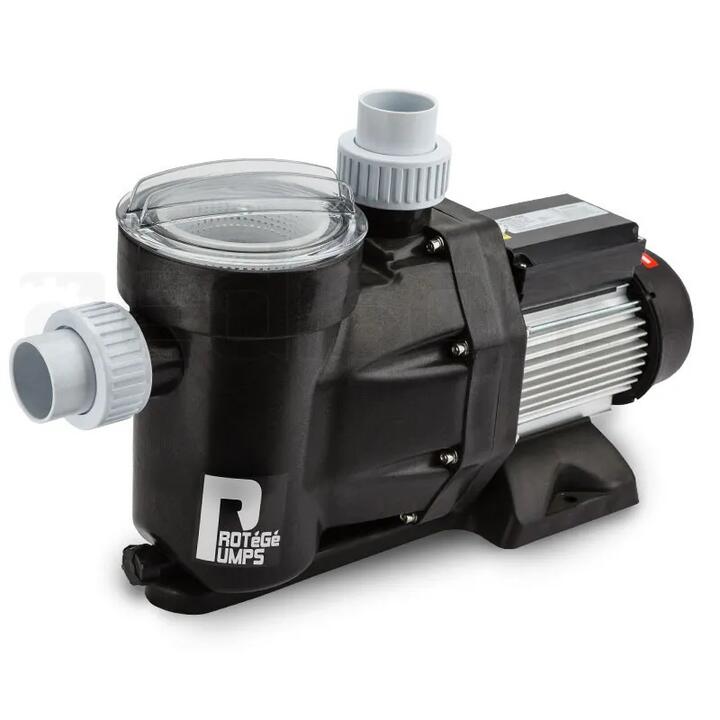
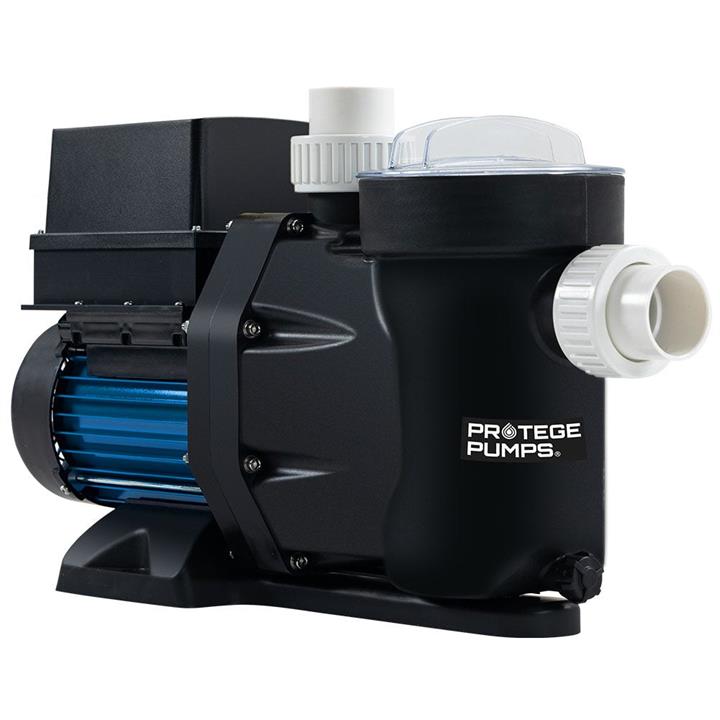
At its core, a grey water pump is a tool that moves used water from sources like bathroom sinks, showers and washing machines to another location for reuse or safe disposal. The PROTEGE model, with its three inlet design, is tailored for handling water from multiple fixtures within the home or workplace. By diverting this water, you can irrigate gardens, flush toilets or even keep certain outdoor areas clean—provided it’s done safely and in line with local guidelines.
This pump is not designed for sewage (black water) or for drinking water. Instead, it specifically manages grey water, which typically contains soap residues and small particles but not faecal matter or harsh chemicals. Using a grey water pump can help households and small businesses cut down on water bills and support sustainability efforts.
Fitting the Pump Into Your Space: Where and How It Works Best
🏠 Placement is one of the most important decisions you’ll make when introducing a grey water pump. These units are often installed in utility areas, such as laundries, bathrooms or under-floor spaces, where access to multiple grey water sources is possible. The three inlet design is particularly useful if you’re aiming to collect water from more than one fixture—say, a shower, a laundry tub and a washing machine.
Think through the flow of water in your home or workplace: which fixtures produce the most grey water, and where is it practical to divert it? It’s wise to keep the pump as close as possible to the sources, to minimise the length of piping and the risk of blockages. The unit itself should be placed on a stable surface and protected from accidental knocks or exposure to harsh weather if positioned outdoors or in a semi-exposed area.
Consider noise as well. While many pumps are relatively quiet, some can generate unwanted sound, especially if installed close to living or working spaces. It’s worth checking whether you have adequate soundproofing or whether the location is far enough from sensitive areas. In commercial settings, having the pump accessible to maintenance staff but away from customer-facing zones is usually best. For households, under-sink cupboards, laundry nooks or purpose-built pump enclosures are common choices.
When planning your installation, make sure you comply with local council regulations about grey water reuse and disposal. Some areas prohibit certain uses or require specific treatment for grey water before it can be used outside. A quick call to your local council or water authority can save headaches down the track.
What to Check Before You Buy: Avoiding Common Pitfalls
🔎 While the promise of reusing household water is appealing, not all pumps are created equal, and not every property is suited to this kind of setup. Here’s what to look for and consider before committing to a grey water pump:
First, check the compatibility of the pump with the fixtures you intend to connect. Some pumps handle soapy water and lint better than others—look for clear guidance on what the unit can process. If you plan to use the pump with a washing machine, make sure it can cope with fabric lint, which can clog filters or impellers over time.
Assess the available space for installation. Measure not just the pump itself, but also allow room for connecting pipes, regular access for cleaning, and possible future servicing. Cramped installations make routine maintenance more difficult and can shorten the life of the pump.
Ease of operation is another key factor. Does the pump have user-friendly controls? Is there a clear indicator for blockages or overflow? Some models include basic alarms or visual cues, while others require more manual checking. Decide how much oversight you’re willing to provide, especially if the pump will be out of sight.
Upkeep is often overlooked. Pumps that require frequent filter cleaning or manual priming may be less appealing if you’re time-poor or not keen on regular hands-on maintenance. Look for a model with accessible filters and straightforward cleaning procedures. If you’re not confident in DIY maintenance, check that you can access reliable servicing locally.
Finally, consider the power source and energy use. Some grey water pumps are wired directly into mains electricity; others plug into a standard outlet. Ensure your preferred location has safe, compliant access to power, and that the pump’s electrical components are suitable for wet areas (with proper insulation and protection against moisture).
Monthly Maintenance: Simple Steps for Reliable Operation
🧰 A little regular attention can extend the life of your grey water pump and keep everything running smoothly. Here’s a straightforward monthly check-in routine for most household or small business setups:
Start by visually inspecting the pump and all connected pipes for signs of leaks or water pooling. Even small drips can indicate a loose fitting or a worn seal, both of which are easier to fix early on.
Next, clean or at least check the inlet filter. This is especially important if you’re running water from washing machines or showers, as lint, hair and soap can quickly build up. Remove any debris and rinse the filter thoroughly. If the filter looks damaged or brittle, replace it according to the manufacturer’s instructions.
Operate the pump for a brief cycle and listen for any unusual noises—grinding, thumping or rattling can signal a blockage or a failing component. If you notice a drop in performance or water isn’t moving as quickly as usual, investigate further before continued use.
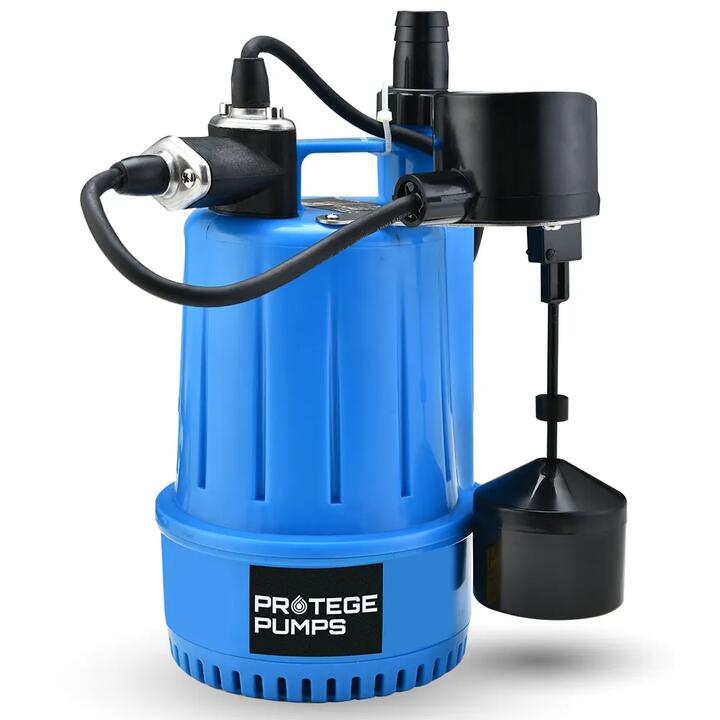
If your pump includes a float switch (a device that detects rising water levels and turns the pump on), make sure it moves freely and isn’t obstructed by debris or tangled cords. A stuck switch can lead to overflows or burnt-out motors, neither of which is a quick fix.
Finally, check the power cable and any electrical connections for signs of wear, dampness or damage. Water and electricity don’t mix—if you spot any problems, unplug the pump and arrange for repairs before restarting.
Safety Snapshot: Key Reminders
- ⚠️ Always switch off power before inspecting or cleaning the pump.
- Do not use the pump for water containing harsh chemicals, oils or faecal matter.
- Keep children and pets away from the pump and exposed piping.
- Check all electrical connections are dry and secure before use.
- Follow local council rules for grey water reuse and discharge.
Final Thoughts: Practical Steps Toward Smarter Water Use
By integrating a grey water pump like the PROTEGE into your property, you’re taking a practical step toward more sustainable water management. The benefits—reduced water bills, a lighter environmental footprint and added resilience in dry periods—can be significant, but only if the system is matched to your needs and maintained regularly.
Take time to plan your setup, follow a simple maintenance routine and stay aware of local requirements. With a bit of care, a grey water pump can serve as a reliable workhorse in your home or small business for years to come.
Product link
Here is the item featured in this post. We only publish products $150+ from the feed, but price is not shown in posts.
About the author and safety review
Ken Walker
Former Station Officer and fire service educator
Fire and emergency service educator with 40 years of career and volunteer experience.
Qualifications: Associate Diploma of Applied Science in Fire Technology; Institute of Fire Engineers studies.
Author profileGeneral information only. Follow official warnings, local procedures and manufacturer instructions.