Creating neat, consistent wall channels with less mess is a rare relief in renovation work. The BAUMR-AG 125mm Wall Chaser promises just that, combining user comfort and practical features to get the job done efficiently. Let’s see where it excels, what to inspect before you purchase, and how to use it well for lasting results. 🔥
Whether you’re a tradie or a confident DIYer, the right wall chaser can mean cleaner lines, reduced dust, and a safer worksite. Here’s the practical lowdown on the BAUMR-AG and how to get the most from it.

Quick take: tidy cutting, focused tool
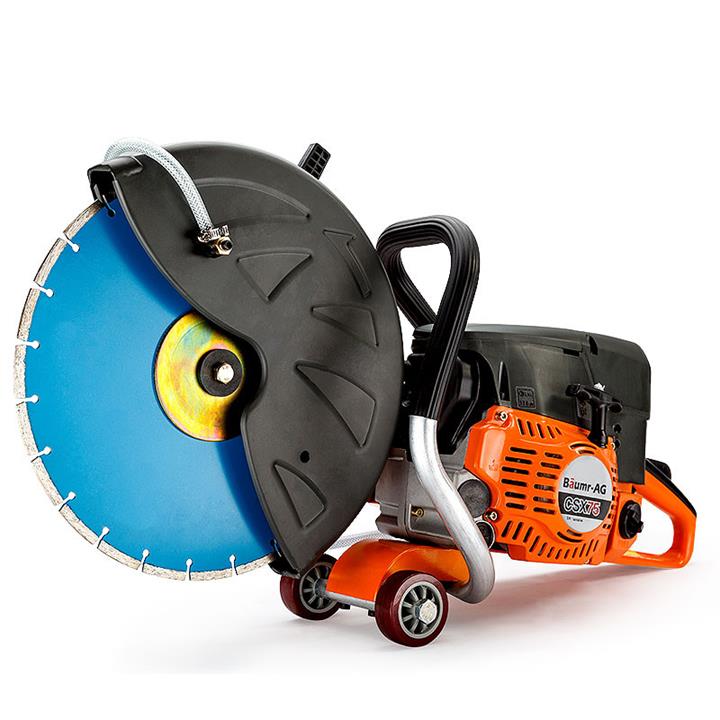
The BAUMR-AG 125mm Wall Chaser is a power tool for cutting grooves into masonry, brick, or concrete walls—ideal for installing electrical conduit or piping. Its wet cutting system is designed to reduce dust, while the dual handles improve control and stability. The main trade-off? It’s a specialty tool: great for wall chasing, less so for other general cutting tasks.
Who should consider (and who should skip it)
This tool will suit those needing repeated, accurate wall channels—think renovators, electricians, plumbers, or hands-on homeowners managing their own fitout. If you only have one or two small chases to cut or lack masonry experience, hiring might be smarter. It’s not the pick for standard angle grinding or for anyone uncomfortable with large power tools. ⚙️
What to check before you buy
- Measure your wall thickness to ensure the 125mm blade size gives enough depth for your chase.
- Ask about the thread and compatibility of replacement diamond blades—you’ll want easy access to spares.
- If wet cutting, confirm your workspace can handle water run-off without risk to finishes or electrics.
- Check the handles’ grip and position—ensure they feel natural for your dominant hand and stance.
If any important details—like cord length, max depth, or speed settings—are missing from the listing, ask the seller before purchase.
Getting started: safe and smart setup 🛡️
Before your first cut, do a walk-through with safety in mind. Fit all four diamond blades correctly, securing them well per the manual. Test the wet cutting system (if using) to ensure water flows without leaks. Always clear your workspace, making sure walls are free of hidden wiring or pipes.
Plug into a safety switch (RCD) and trial the tool on a scrap piece—feel for vibration or any odd noises. Take your time: rushing setup is risky and creates mistakes later.
Cutting tips for straighter chases
- Mark your chase lines clearly with a straight edge and check their level before switching on.
- Let the tool’s weight do the work—don’t force the cut or twist your wrists.
- If using the wet system, start with low water to check flow, then adjust for just enough to suppress dust, not flood the site.
Maintenance & ongoing care ✅
Good care extends a wall chaser’s life. After each use, wipe down the tool and especially check the blade housing for buildup or slurry—masonry dust can clock things quickly. Inspect diamond blades for wear and replace as needed. Store somewhere dry, away from damp, and check the wet cutting system for clogs or leaks before each new job.
Common mistakes to sidestep
- Ignoring the wet system—dry cutting can send fine dust everywhere, or overheat blades.
- Forgetting to check walls for hidden wires or pipes before cutting (never skip this step).
- Using incompatible blades—always match blade spec and attachment to the tool and the material.
- Pressing too hard and overloading the motor—steady, patient work preserves both wall and tool.
Mini FAQ: your top BAUMR-AG chaser questions
Is this suitable for brick or concrete?
Based on the diamond blade setup, it should handle both. Always check blade compatibility for your specific wall type.
How does the wet cutting system work?
The wet system helps suppress dust. Look for clear instructions in the manual on attaching and adjusting water flow.
Can I use other brands of blades?
Confirm the blade size and mounting match—ask for manufacturer recommendations if unsure.
What maintenance is most important?
Keep blades sharp and clean out dust or slurry after every session. Store it dry and check hoses for clogs or leaks if wet cutting.
Final word: does it suit your job?
This wall chaser is a sensible pick when neat, repeated wall grooves are needed in brick or masonry. The twin handles and wet cutting are practical features that aim for comfort and cleaner worksites. For occasional or one-off jobs, hiring may make more sense, but for regular fitouts, owning can be a real win. 🛠️