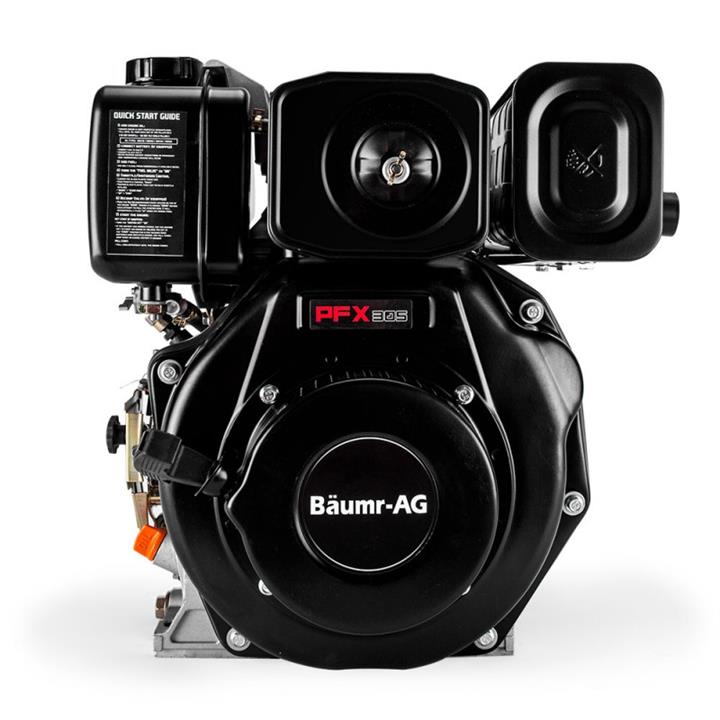
BAUMR-AG BMJK-24S Mk II: Quick Verdict
The BAUMR-AG BMJK-24S Mk II is a substantial corded electric demolition hammer rather than a light rotary hammer. Current specifications list a 2400W induction motor, 1900 blows per minute, a 30mm hex tool mount and a bare machine weight of approximately 17kg.
Its main appeal is straightforward electric operation with three supplied 40cm chisels. Its main limitations are equally important: the machine is heavy, produces substantial noise and vibration, requires suitable mains power, and the manufacturer does not clearly publish an impact-energy figure in joules.
Testing statement: Firebusters has not personally tested or operated this jackhammer. This guide is based on current manufacturer, supplier and Australian safety information.

Verified Specifications
| Model | BMJK-24S Mk II |
| SKU | BAJHTL05A |
| Motor | 2400W electric induction motor |
| Operating voltage | 240V |
| Plug | 10A Australian Standard |
| Power cord | Approximately 3 metres |
| Impact rate | 1900 BPM at maximum load |
| Tool mount | 30mm hexagonal chisel |
| Impact energy | No reliable joule figure found in the current manufacturer specification |
| Bare weight | Approximately 17kg |
| Dimensions without tool | Approximately 16 × 66 × 27cm |
2400W Does Not Tell You the Whole Story
Motor wattage describes electrical input power. It should not be treated as a direct measurement of how much impact energy reaches the concrete.
For demolition breakers, useful comparison points include:
- Impact energy in joules
- Blows per minute
- Machine weight
- Chisel system
- Vibration characteristics
- Duty cycle and thermal performance
The BMJK-24S Mk II has a published impact rate of 1900 BPM, but we could not verify a current manufacturer figure for impact energy in joules.
What Comes in the Package?
The current supplier listing includes:
- 1 × BMJK-24S Mk II jackhammer
- 3 × approximately 40cm chisels
- Custom carry case
- Safety glasses
- Work gloves
- Oil-fill wrench
- Oil-fill bottle
- 3 × Allen keys
The machine uses a quick-change 30mm hex tool mount. That is useful when sourcing compatible replacement chisels, but always confirm dimensions before buying third-party attachments.
Who Might Consider Buying It?
Buying may make sense if
- You have several demolition projects planned
- You regularly remove concrete, masonry or tiles
- You have suitable 240V power available
- You have secure storage
- You are comfortable managing a 17kg power tool
Hiring or contracting may be better if
- You only have one small job
- The slab or structure is heavily reinforced
- You do not know what services are beneath or behind the work
- Asbestos or other hazardous material may be present
- The demolition could affect structural stability
- You need specialised dust-control equipment
The 17kg Weight Matters
A bare weight of approximately 17kg is substantial for a hand-held electric tool.
The user must control that mass while also being exposed to impact forces and vibration. Working horizontally or at awkward angles may be considerably more demanding than breaking material directly below the operator.
Before buying, consider:
- How long the tool will be used at a time
- Whether work is horizontal, vertical or overhead
- Access and footing
- Whether a lighter breaker could complete the task
- Whether mechanical demolition equipment may be more suitable
Silica Dust: A Major Demolition Hazard
Safe Work Australia identifies jackhammering and chiselling concrete or masonry as activities capable of producing respirable crystalline silica.
Silica dust can cause serious and irreversible lung disease. Dust control should therefore be planned before demolition begins rather than relying only on a dust mask after the work starts.
Depending on the work, controls may include:
- Choosing a method that generates less dust
- Wet suppression where suitable and safe
- On-tool dust extraction or local exhaust ventilation
- Keeping other people away from the dust-generating area
- Appropriate respiratory protection as part of the overall control strategy
Workplace users must follow current silica requirements applying in their state or territory.
Check for Asbestos Before Demolition
Older buildings can contain asbestos in wall sheets, flooring, adhesives, eaves, roofing and other materials.
WorkSafe Victoria states that asbestos likely to be disturbed by demolition or refurbishment needs to be identified before the work begins.
If the material is uncertain, stop and obtain appropriate identification or professional advice before disturbing it.
Hidden Electrical, Gas and Water Services
Breaking into a slab, wall or floor without knowing what is inside or beneath it can damage electrical cables, gas lines, water pipes, telecommunications and other services.
WorkSafe Victoria’s demolition guidance emphasises identifying and appropriately controlling or disconnecting essential services before demolition work begins.
For ground penetration, WorkSafe Victoria and Energy Safe Victoria also publish specific guidance for working near underground services.
Noise and Hand-Arm Vibration
Jackhammers are well-recognised sources of both noise and hand-arm vibration.
Safe Work Australia specifically identifies jackhammers as hand-held tools capable of exposing workers to harmful levels of hand-arm vibration.
WorkSafe Victoria also treats demolition noise as a significant workplace hazard.
- Reduce exposure time where reasonably practicable
- Use the lowest-vibration suitable tool
- Keep equipment maintained
- Use appropriate hearing protection
- Keep other people away from noisy work
- For workplace use, assess noise and vibration exposure rather than guessing
The manufacturer describes the machine as having design features intended to reduce vibration, but we have not found a current published vibration-emission measurement for this exact model.
Electrical Requirements
The BMJK-24S Mk II is specified for 240V operation with a 10A Australian Standard plug and approximately 3 metres of power cord.
That does not mean every extension lead, outlet or worksite supply is automatically suitable.
- Use electrical protection appropriate to the work environment
- Inspect the plug, lead and tool before use
- Do not use damaged extension leads
- Keep electrical equipment away from inappropriate water exposure
- Use an extension lead with suitable current capacity and length
- Follow applicable workplace electrical requirements
Buy, Hire or Use a Contractor?
| Option | May suit | Main consideration |
|---|---|---|
| Buy | Repeated planned demolition work | Storage, maintenance and safety equipment become your responsibility |
| Hire | Short or one-off projects | Compare the actual tool supplied, attachments, transport and hire conditions |
| Contractor | Structural, hazardous, large or uncertain demolition | Higher direct cost may be offset by specialist equipment and risk management |
There is no universal cheapest option. Compare the number of jobs you have planned, the equipment required, disposal, dust control, transport and your ability to perform the work safely.
Questions to Ask Before Buying
- What material are you breaking? Tiles, brick, masonry and reinforced concrete can require very different tools.
- How thick is it? Large slabs may need a different demolition method.
- Are services present? Identify electrical, gas, water and other services first.
- Could asbestos be present? Resolve that question before demolition.
- How will silica dust be controlled? Do not leave this until after work starts.
- Can you safely manage 17kg? Consider working position and duration.
- Is 30mm hex suitable for the chisels you need?
- Do you need an impact-energy figure? If comparing against hire or professional breakers, ask the supplier for verified joule data.
Frequently Asked Questions
What is the exact model?
The current product is identified as the BAUMR-AG BMJK-24S Mk II, SKU BAJHTL05A.
How many blows per minute does it deliver?
The published specification states 1900 BPM at maximum load.
What is its impact energy?
We could not verify a current manufacturer-published impact-energy figure in joules for this exact model. Wattage and blows per minute should not be converted into an invented joule rating.
What chisel fitting does it use?
It uses a 30mm hexagonal quick-change tool mount.
How heavy is it?
The manufacturer lists approximately 17kg bare tool weight.
Can I use it indoors?
An electric motor does not produce petrol-engine exhaust, but indoor demolition can still involve silica dust, asbestos, noise, vibration, flying debris and hidden services. Electric operation alone does not establish that indoor use is safe.
Can it break reinforced concrete?
The manufacturer markets the tool for concrete and masonry demolition, but the suitability of this exact machine for a particular reinforced slab depends on thickness, reinforcement, access and the demolition method required. For substantial structural work, seek professional advice.
Has Firebusters tested it?
No. Firebusters has not personally tested or operated this jackhammer. Our assessment is based on published manufacturer, supplier and safety information.
Final Assessment
The BAUMR-AG BMJK-24S Mk II offers a substantial specification for its category: 2400W electric power, 1900 BPM, a commercial-style 30mm hex mount and three supplied chisels.
The 17kg bare weight makes it a serious hand-held tool, and buyers should consider physical handling, silica dust, noise, vibration, electrical supply and hidden services just as carefully as the motor specification.
The biggest specification gap is impact energy. Without a reliable joule figure, we would not compare its breaking performance directly with professional hire breakers solely from wattage.
Our recommendation: for repeated, clearly defined non-structural demolition work, it may be worth considering. For one-off work or jobs involving structural elements, asbestos, unknown services or major reinforced concrete, compare hiring or engaging an appropriately qualified contractor before buying.
Research Sources
-
BAUMR-AG – BMJK-24S Mk II product information
-
Edisons – specifications and package contents
-
Safe Work Australia – crystalline silica
-
Safe Work Australia – hand-arm vibration
-
WorkSafe Victoria – demolition safety
-
WorkSafe Victoria – working near underground services
-
WorkSafe Victoria – asbestos and demolition
Research checked September 2026. Specifications, accessories, pricing and availability may change.
© Firebusters. General information only. Firebusters has not personally tested this product. Always follow current manufacturer instructions and applicable Australian workplace, electrical and demolition requirements.
About the author and safety review
Ken Walker
Former Station Officer and fire service educator
Fire and emergency service educator with 40 years of career and volunteer experience.
Qualifications: Associate Diploma of Applied Science in Fire Technology; Institute of Fire Engineers studies.
Author profileGeneral information only. Follow official warnings, local procedures and manufacturer instructions.