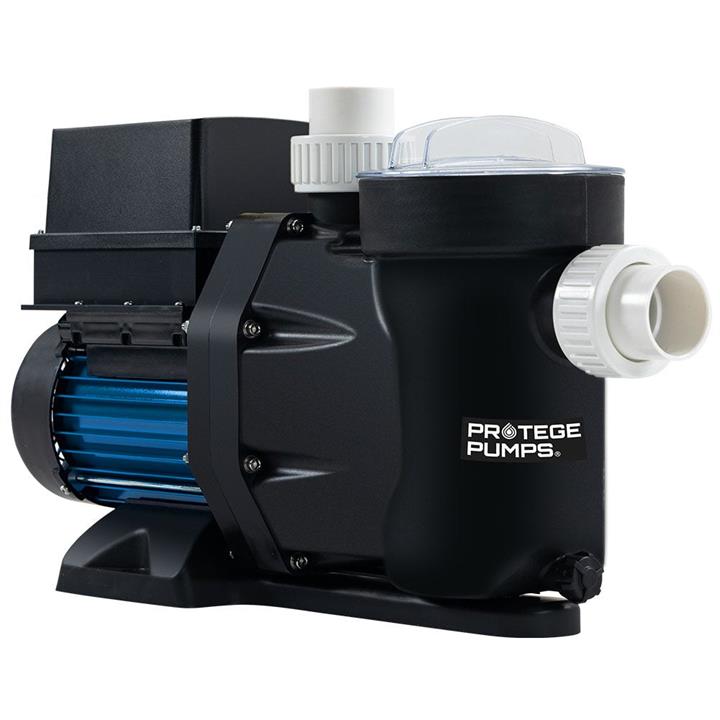
Easy, Flexible Waste Management – PROTEGE 4 Inlet Commercial Macerator Pump for P-Trap Toilet
If you’re facing a tricky bathroom install, the PROTEGE 4 Inlet Commercial Macerator Pump for P-Trap Toilet could open up more options than traditional plumbing would allow. Macerator pumps have proven themselves especially useful where standard gravity drains can’t easily be routed—like basements, renovations, offices, or fitting out new amenities away from main lines. This model offers four inlets, supporting a range of fixture connections and tighter spaces.

Why a Macerator Pump with Four Inlets is Useful
The main appeal of this pump is flexibility: it enables installation of a toilet, and up to three additional bathroom fixtures (such as a basin, shower, or washing machine), in spaces where traditional waste pipes would be costly or structurally disruptive to install. By breaking down waste into a slurry and pumping it through narrow pipes, this unit simplifies routing. In commercial or multi-user environments, the centralised setup can significantly tidy installations and potentially reduce fit-out expenses.
- Multiple fixtures: Handles waste from up to four sources (toilet must be P-trap type).
- Slimmer pipes: Easily routes waste through smaller diameter pipework when full-sized drains aren’t accessible.
- Location flexibility: Supports fitouts in basements, upper floors, or remote rooms, rather than being limited to locations near main soil stacks.
Who is this Pump Suitable For?
- Commercial premises: Businesses, offices, or warehouses upgrading or adding facilities.
- Renovators: Homeowners rearranging layouts in older properties, especially when main drains can’t be shifted.
- Developers or landlords: Converting under-utilised spaces (like basements or unused rooms) into fresh amenities without full drain replacement.
- DIYers: Anyone looking for a flexible solution who can follow guidance, ideally with trade assistance as needed.
What to Check Before You Buy
- P-Trap Only: This unit is designed specifically for toilets with a P-trap connection—double-check your toilet type before purchasing.
- Expected Connections: Plan which additional fixtures (showers, basins, etc.) will connect to the pump and confirm compatibility.
- Electrical Access: Macerator pumps require a safe, local power source. Check you’ll have access, and engage an electrician for any wiring.
- Space Requirements: Confirm physical space for the pump and access for maintenance. The pump cannot be tucked tightly behind walls without accessible servicing.
- Ventilation: Good airflow is important to keep the unit from overheating and to aid odour control.
- Regional Plumbing Code: Regulations can vary—if in doubt, seek advice from a licensed plumber familiar with Australian Standards.
Setup & First-Use Checklist
- Unpack and inspect all components for transit damage.
- Read the manufacturer’s manual in full before starting installation.
- Switch off power supply while working.
- Position the pump on a solid, level surface—never on loose, unstable flooring.
- Connect the P-trap toilet to the pump inlet as per instructions. Do not attempt to adapt S-trap toilets.
- Attach any additional inlets for basins, showers, or laundry (within pump guidelines).
- Fit the outlet pipe, ensuring the recommended gradient and support to avoid backflow or waste pooling.
- Seal all joints firmly with suitable plumbers tape and check pipe clamps are tight.
- Restore power and test fixtures one by one, listening for leaks and proper pump cycling.
- Keep instruction manual accessible for future troubleshooting.
Safety Notes
- Power first: Always disconnect from mains power before any installation, cleaning, or inspection.
- Don’t introduce foreign waste: Avoid fats, oils, napkins, baby wipes, and harsh chemicals—they risk damaging the macerator blades or pipes.
- Professional help: For best results, use a licensed plumber and a licensed electrician, especially for installations in commercial premises or shared buildings.
- Waterproofing: Take care to keep all electrical connections safe from water ingress.
Maintenance Tips
- Check hose and pipe joints for leaks quarterly, or whenever you suspect an issue.
- Listen for changes in noise—rattles, grinding, or long running can signal ongoing problems.
- Run a maintenance flush (using water only) every few months, or as directed by the manufacturer.
- Minimise blockages by educating users about what should (and shouldn’t) be flushed or drained to the pump.
- Keep the external unit casing clean and free of clutter for easy access.
- Follow any manufacturer-recommended service intervals—they may suggest periodic professional servicing depending on use intensity.
Common Mistakes to Avoid
- Wrong toilet type: Attempting to mate the system to an S-trap or incompatible pan.
- Electrical shortcuts: DIY electrical work is risky and can be non-compliant. Always use qualified trades for wiring and power supply works.
- Ignoring local codes: Not checking legal plumbing requirements, potentially creating insurance or asset issues later.
- Overloading: Connecting more fixtures than specified can cause clogs or excessive wear.
- Skipping maintenance: Neglecting basic checks leads to leaks, odours, and expensive repairs.
Frequently Asked Questions
- Can I install the PROTEGE macerator pump myself?
- If you are confident with plumbing and electrical basics, installation is possible for a skilled DIYer, but it’s usually safer (and may be required by law) to hire licensed trades, especially for commercial buildings or where power is involved.
- Is this pump noisy?
- Most modern macerators, including the PROTEGE, are relatively quiet when properly installed, but you will notice operational sound when it cycles. Installation location and pipe insulation help manage noise.
- What happens if I connect the wrong type of toilet?
- The pump is designed for P-trap toilets only. Trying to connect an S-trap or a non-standard pan will result in leakage, poor performance, and void most warranties.
- Can I use this in a kitchen?
- This pump is generally intended for bathrooms. Some kitchen waste can be higher in fat and debris, which may not be suitable—always check the manufacturer’s recommendation and your local code before connecting a kitchen sink or dishwasher.
- How long does a commercial macerator pump last?
- Lifespan depends on usage: with proper installation and regular maintenance, commercial models can serve reliably for several years. Avoiding unsuitable waste and performing checks extends service life.
- How should I clean the macerator?
- Flush only water-based cleaners as per the manufacturer guidance. Never pour caustics, acids, or solvents into the unit. For deep cleans, switch off and disconnect before any inspection.
Conclusion
When you’re fitting out an office, renovating an awkward floorplan, or simply need more flexibility with waste lines, a four-inlet macerator pump is a practical, budget-aware solution. The PROTEGE suits busy commercial spaces and complex home projects—provided you work within its intended use. With safe installation and regular care, it offers reliability where standard plumbing falls short. Always respect safety and local codes, and don’t hesitate to call in the pros to protect your investment and peace of mind.