Tackling Heavy Loads on Uneven Ground? A Look at Motorised Tracked Wheelbarrow Dumpers
Moving bulk materials over rough terrain is a challenge for many in construction, landscaping, and agriculture. Traditional wheelbarrows and trolleys can struggle on softer ground or steep inclines, often requiring significant physical effort. For those looking to reduce manual labour and improve efficiency, a motorised tracked wheelbarrow dumper such as the BAUMR-AG BPR1000 presents a potential solution.
Disclosure: This article contains affiliate links. If you buy through them, we may earn a small commission at no extra cost to you.
What it is (in plain terms)
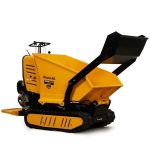
The BAUMR-AG Motorised Ride On Tracked Wheelbarrow Dumper (BPR1000) is a compact, ride-on machine designed to transport heavy materials across challenging surfaces. Rather than relying on wheels, it uses a set of tracks similar to those on excavators, giving it stability and grip on mud, gravel, grass, and slopes. Powered by a 10HP Briggs & Stratton petrol engine, it is capable of carrying loads up to 500kg in its cargo tray. The ride-on design means operators can stand or sit on the machine, steering and controlling it with handlebars and levers.
This type of equipment is often seen on building sites, farms, or large gardens where shifting soil, gravel, bricks, or green waste would otherwise be a slow, strenuous task. The dumper’s tipping tray allows for easy unloading at the destination, reducing manual handling and the risk of strain injuries.
Why people consider it
For many, the main appeal is the ability to move large quantities of material with far less physical effort. Where traditional wheelbarrows might get bogged down or require repeated trips, a tracked dumper can carry more in one go and traverse surfaces that tyres would struggle with.
On worksites, time is money. Reducing the hours spent hauling materials frees up labour for other tasks. For those working alone or with limited help, mechanised transport can make heavy jobs possible without waiting for backup. The tracked design minimises ground disturbance and reduces the risk of tipping, which is a common issue with wheeled barrows on slopes.
Some people also consider a machine like the BPR1000 for its potential to reduce injuries, particularly back and shoulder strain. Mechanisation can make outdoor work more accessible for people of varying physical abilities and ages.
What to look for before you buy
Before investing in a motorised dumper, it’s important to check a few practical details:
- Weight capacity: Will the 500kg tray meet your needs, or do you require more (or less) capacity for your typical loads?
- Engine reliability: Consider the reputation of the engine brand and the availability of local servicing. Briggs & Stratton is widely recognised, but it’s still wise to check for parts and support in your area.
- Terrain suitability: Assess the ground conditions on your property or site. Tracks provide excellent traction, but consider if there are very narrow spaces or delicate surfaces where a tracked dumper may not suit.
- Storage and access: The machine itself is larger than a standard wheelbarrow. Make sure you have sufficient space for storage and for moving it through gates or between buildings.
- Noise and emissions: Petrol engines generate noise and exhaust. Think about where the equipment will be used and if there are any restrictions or sensitivities nearby.
- Training and safety: As with any powered equipment, safe operation is critical. Check if you or your team will require familiarisation or basic training.
How to use it well
To get the most from a tracked wheelbarrow dumper and keep everyone safe, consider these tips:
- Read the instruction manual before first use, paying special attention to safety procedures and controls.
- Always check the engine oil, fuel, and tracks before starting work. Regular maintenance can prevent breakdowns and prolong the machine’s life.
- Wear appropriate clothing: sturdy footwear, gloves, and hearing protection if needed.
- Balance the load in the tray and avoid exceeding the 500kg capacity. Overloading can affect stability and control.
- Operate at a safe speed, especially when moving on slopes or uneven ground. Take care when turning, as tracked machines can pivot quickly.
- Be mindful of bystanders, pets, and obstacles. Ensure the travel path is clear before moving off.
- Use the tipping mechanism as designed—never try to unload by hand while the tray is raised.
- After use, clean off mud and debris, and store the dumper under cover if possible.
Common mistakes (and easy fixes)
- Ignoring weight limits: Attempting to carry more than the rated capacity can lead to mechanical issues or tip-overs. Stick to the manufacturer’s recommendations.
- Poor load distribution: Loading material unevenly can make the machine unstable. Spread loads evenly in the tray.
- Neglecting maintenance: Skipping oil checks or cleaning the tracks can result in preventable breakdowns. Set a maintenance schedule.
- Operating on prohibited slopes: Even with tracks, very steep gradients can be unsafe. Stay within the recommended slope angles.
- Rushing turns: Sharp turns at speed may cause instability. Slow down before turning, and use smooth steering inputs.
- Not reading the manual: Overlooking the instructions can lead to misuse of controls or safety features. Take time to familiarise yourself before first use.
- Forgetting to refuel: Running out of petrol mid-task can be avoided by checking fuel levels at the start of each job.
- Blocking cooling vents: Letting mud or debris build up around the engine can cause overheating. Keep vents and the engine area clear.
Myth vs reality
Myth: Tracked dumpers are only for professional builders.
Reality: While common on worksites, they’re also used by landscapers, farmers, and even homeowners with large properties.
Myth: Tracks always damage the ground more than wheels.
Reality: Tracks spread the weight over a larger area, often reducing ground pressure and helping prevent ruts compared to narrow wheels.
Myth: You need a licence to use a motorised dumper.
Reality: For private use on private land, no special licence is typically required in Australia. However, worksites may have their own rules and require induction or training.
Myth: Maintaining a petrol engine is too complicated for most users.
Reality: Basic maintenance, such as oil checks and air filter cleaning, is straightforward and explained in the manual. Many owners handle it themselves, or seek help from local service agents.
Pros and cons
Pros
- Reduces manual effort when moving heavy materials
- Handles rough, muddy, or sloped ground well
- Large 500kg tray capacity for fewer trips
- Ride-on design increases comfort and efficiency
- Powered tipping for easier unloading
Cons
- Requires more storage space than a standard wheelbarrow
- Petrol engine produces noise and emissions
- Initial learning curve for safe operation
- Heavier and less manoeuvrable in tight spots
- Routine maintenance is needed to keep it running smoothly
A simple next-step plan
- Assess the types of jobs you need help with and the terrain at your property or site.
- Measure access points and storage areas to ensure the dumper will fit where needed.
- Read reviews or talk to others in your field to learn about their experiences with tracked dumpers.
- Arrange a demonstration, if possible, to see the machine in action and ask questions.
- Confirm after-sales support and servicing options in your area before making a decision.
For those regularly moving heavy loads across uneven ground, a motorised tracked wheelbarrow like the BAUMR-AG BPR1000 can be a practical addition. Taking a thoughtful approach—considering your specific needs, safety, and maintenance—will help you get the most value and reliability from this type of equipment. As outdoor work continues to evolve, mechanised solutions like these offer new ways to tackle tough jobs with less strain and more efficiency.
About the author and safety review
Ken Walker
Former Station Officer and fire service educator
Fire and emergency service educator with 40 years of career and volunteer experience.
Qualifications: Associate Diploma of Applied Science in Fire Technology; Institute of Fire Engineers studies.
Author profileGeneral information only. Follow official warnings, local procedures and manufacturer instructions.